Power Tools & Hardware
Key Facts: Why Choose an Ingco Digital Multimeter for DIY?
Most DIYers grab any multimeter. Ingco’s CAT III/IV-rated meters handle 1000V — and that’s only the beginning.
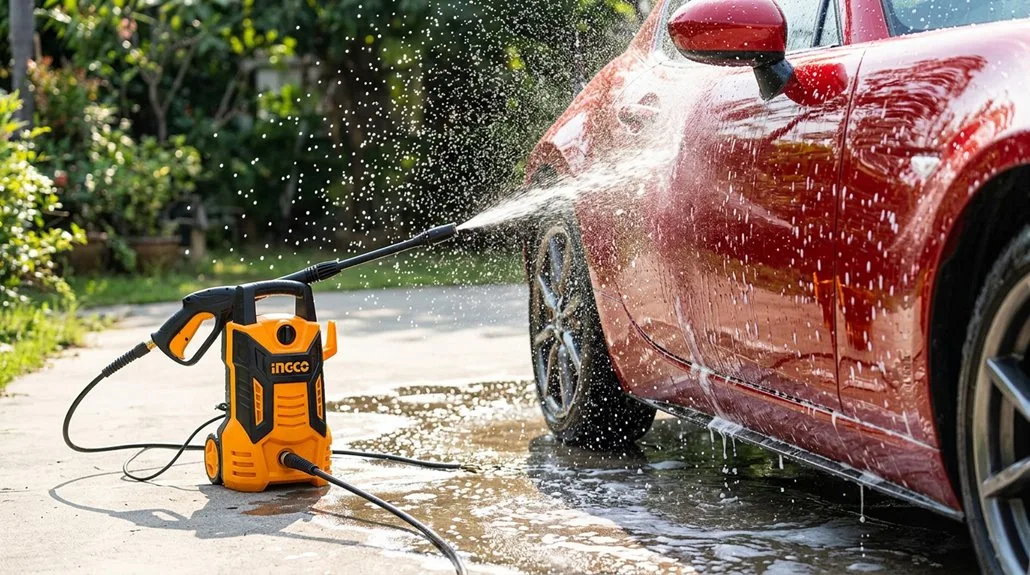
Most car owners assume any pressure washer will do the job — point, spray, done. But Ingco’s lineup runs from 1,450 PSI all the way to 2,610 PSI, and that gap can mean the difference between a gleaming finish and a ruined one. One wrong setting strips paint faster than you’d believe possible. Before you connect that foam cannon to your Ingco washer, there’s a specific pressure window that keeps your car safe — and most people are operating way outside it.
With respect to washing your car, using too much pressure can strip paint, damage seals, or force water into sensitive components. You’ll be delighted to know that Ingco pressure washers address this concern directly.
The HPWR15028 model operates at a maximum of 100Bar (1450PSI). You can start at the lowest pressure setting for controlled output. This approach protects your car’s paintwork and sensitive areas. It is powered by a copper wire induction motor for consistent and reliable performance.
The HPWR18008 delivers up to 150Bar (2200PSI) with an auto stop system. It halts operation the moment you release the trigger. That’s a great result for preventing accidental surface damage.
Both models include a safety lock on the spray gun trigger. This prevents accidental discharge during use. For additional detailing tasks after washing, pairing your pressure washer with an air spray gun battery can help apply coatings or sealants with precision. You’re part of a community that washes smarter, not harder.
Now that you know Ingco pressure washers include safety features, it’s worth grasping what 100Bar actually does to car paint. 100Bar equals approximately 1,450 PSI, which exceeds safe thresholds for automotive surfaces.
100Bar equals 1,450 PSI — a pressure level that exceeds safe thresholds for automotive paint surfaces.
Here’s what happens at that pressure level:
Safe car washing stays between 900–1,200 PSI. Pressures above 1,200 PSI risk damaging base layers and clear coats. For thorough cleaning without pressure damage, pairing your wash routine with industrial-grade cleaning chemicals formulated for vehicle surfaces can lift grime effectively at lower PSI settings. Any imperfections beneath the surface become far more visible once clear coat is compromised, since smooth underlying layers are critical to a quality finish. You’ll get great results by keeping distance and using wider spray patterns to reduce effective PSI on your paint.
Ingco pressure washers pack in several safety features that work together to protect your car’s paint during washing. You’ll find these features across multiple models, giving you great results without risking damage.
Here are three key safety features you should know:
These features work together, giving you confident control throughout every wash. You’re not guessing—you’re cleaning smarter. Both models run on a carbon brush motor with aluminium wire winding, which helps dissipate heat efficiently and extends the motor’s overall lifespan. For facilities that require precise weight verification during equipment maintenance or parts handling, a digital check weigher can complement an industrial setup alongside high-pressure washing stations.
You need to match pressure settings to the job — start with the widest spray pattern at the lowest setting to remove loose dirt without stressing the paint. Keep the nozzle 30–50cm from the surface, apply foam first to let it dwell and loosen grime, then rinse from top to bottom using a 6.0L/min flow rate like the HPWR18008 delivers. For personalised guidance on which model suits your vehicle, IPSA-certified specialists at Cool Pack CC on R33, Paulpietersburg, can help you select the right unit and settings for your specific needs.
Sensitive areas like trim and glass need extra distance and a wide fan spray, while tyres and wheels can handle higher pressure only after you’ve completed the full body rinse. The Ingco HPWR15028 includes an auto-stop feature that cuts the pump the moment you release the trigger, which prevents unintended pressure buildup if you need to reposition between panels.
Follow these three pressure guidelines:
You’re not alone in wanting great results without damaging your vehicle. Ingco’s adjustable modes give you control over output. Starting lower and increasing gradually delivers a safe, effective wash every time. Always hold the nozzle at least two feet from the vehicle surface to prevent paint scratches and avoid water entering sensitive components. For professional guidance on selecting the right Ingco model for your needs, you can reach Ingco tool inquiries through Cool Pack’s dedicated support team in Paulpietersburg.
Getting the pre-wash right sets the foundation for a safe, effective clean. Apply foam using your Ingco’s adjustable soap dispenser before rinsing. This loosens dirt without scratching your car’s surface.
Follow these steps for great results:
Your Ingco’s auto-stop trigger system protects the hose between passes. Switch from high-pressure to low-pressure settings after loosening grime. Dry your car immediately after the final rinse to prevent water spots. These techniques keep your finish looking great every wash. For wiping down surfaces between rinse stages, a 2-ply kitchen towel can absorb excess water without leaving lint or scratches on your paintwork.
Safe washing techniques lay the groundwork, but protecting sensitive surfaces takes deliberate pressure control. You’ll get great results by keeping distance and adjusting your nozzle carefully.
Follow these three steps to protect your car’s finish:
Models like the HPWR15028, operating at 100Bar or below, suit frequent car washing perfectly. You’re part of a community that values smart tool use. Apply foam through the included bottle to lubricate surfaces, reducing direct abrasion. Avoid narrow nozzle settings entirely on painted areas. For storing your cleaning solutions, clear PET plastic bottles are a practical choice, as their transparency lets you monitor fluid levels and identify contents without opening the container.
Using the right foam cannon with your Ingco pressure washer makes a real difference in how well your car gets cleaned.
The AMFP4002 foam producer, with its 400mL capacity and adjustable nozzle, works well with Ingco 1400W high pressure washers and the HPWR28008 model.
You’ll want to dial in the pressure and foam density settings carefully to get full, even soap coverage across your vehicle’s surface.
For storing your cleaning supplies and accessories, clear plastic bags are a practical option available in a range of sizes and micron thicknesses to suit different needs.
Pairing the right foam cannon with your Ingco pressure washer makes a real difference in cleaning performance.
Confirmed compatible models include the HPWR14008, HPWR16008, HPWR18008, and HPWR20008. Using a verified match means you get thick, dense foam every wash.
Three things to check before buying a foam cannon:
Cold water models only qualify here.
Hot water washers aren’t compatible.
Getting these details right delivers a great result every time. For storing or transporting your foam concentrate and cleaning solutions, woven polypropylene bags are a durable and practical option available in 10kg, 25kg, and 50kg sizes.
| Adjustment | Setting | Result |
|---|---|---|
| Foam dial | Maximum (fully right) | Thickest foam output |
| Foam dial | Counterclockwise (left) | Thinner, water-rich mix |
| Nozzle twist | Clockwise | Horizontal spray pattern |
| Nozzle twist | Counterclockwise | Vertical spray pattern |
Attach the 40-degree white nozzle tip for low-pressure, wide coverage. This protects your car’s ceramic coating from damage.
Adjust the top soap valve to control flow during application. These settings help you get a great result every time, just like other Ingco users do. For wrapping and protecting finished surfaces after washing, bubble wrap 1200mm is a reliable packaging material available from specialist suppliers.
Most of a foam cannon’s effectiveness comes down to how you mix and apply your soap solution. You’ll get great results by adhering to a proven process every wash.
Here’s what works best:
Your Ingco pressure washer performs optimally at 2,000 PSI, using just 2–3 ounces per wash. Higher PSI draws more soap, producing thicker foam coverage across your vehicle’s surface.
Choosing the right Ingco pressure washer for your car comes down to pressure output, motor type, and included accessories.
Picking the right pressure washer starts with three things: how much pressure you need, the motor type, and what accessories come included.
For light car washing, the HPWR12008P delivers 1200W and 90 Bar — a solid starting point. The HPWR14008GP matches that pressure but adds a soap bottle and quick connector, making it a great result for complete wash kits.
If you’re washing regularly or detailing thoroughly, the HPWR15028 stands out. It uses an induction copper motor, reaches 100 Bar, and flows at 6.7 L/min. It also features an auto stop system and metal pump for lasting performance.
For maximum power, the HPWR18008 outputs 1800W and 150 Bar. Its pure copper wiring guarantees durability. You’ll find all these models at Coolpack cc in Paulpietersburg.
Even the best pressure washer can damage your car if you use it incorrectly. Knowing the common mistakes helps you protect your paint and get great results every time.
Here are three mistakes that strip car paint:
Always inspect your car’s paint condition before starting. Pre-wash assessment prevents costly mistakes that your fellow car enthusiasts consistently avoid by staying informed.
Most DIYers grab any multimeter. Ingco’s CAT III/IV-rated meters handle 1000V — and that’s only the beginning.
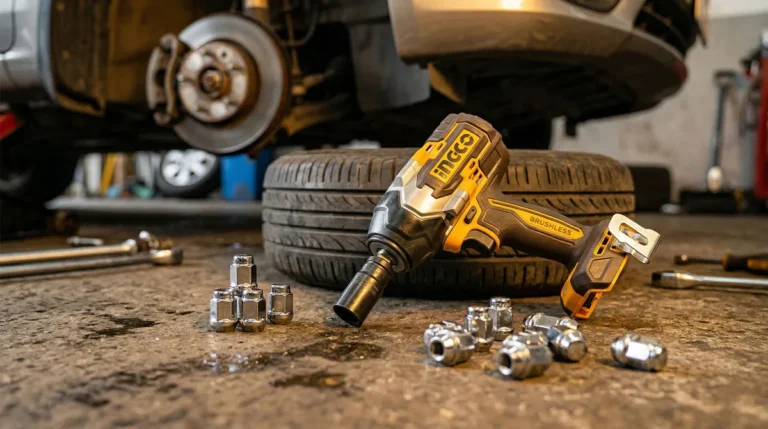
Most impact wrenches destroy lug nuts. Your Ingco might be different—but only if you match the specs precisely.

Bulk box buyers overpaying by 63% don’t know these pricing layers exist. Find out where your money is actually going.
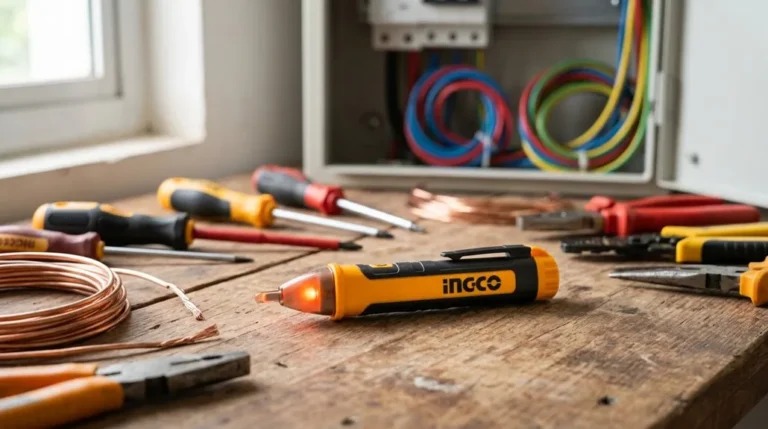
Most electrical faults hide in plain sight. The Ingco Voltage Tester detects live wires without touching them — and that changes everything.