Most businesses overpay for rubbish bags without realising it. Paying £0.20 per bag on small packs adds up fast — yet a simple switch to bulk ordering can slash that figure dramatically. Fewer procurement headaches, tighter cost control, and measurable savings across six operational areas are all within reach. The numbers tell a story most purchasing managers have never been shown.
How Bulk Refuse Bags Cut Your Per-Unit Costs Fast
Buying refuse sacks in bulk cuts your per-unit costs faster than most other purchasing strategies.
A pack of 100 sacks costs $20, equating to $0.20 per sack.
Upgrading to a 300-sack pack at $50 reduces that cost to $0.17 per sack.
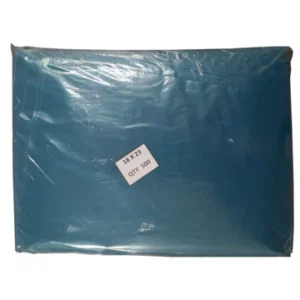
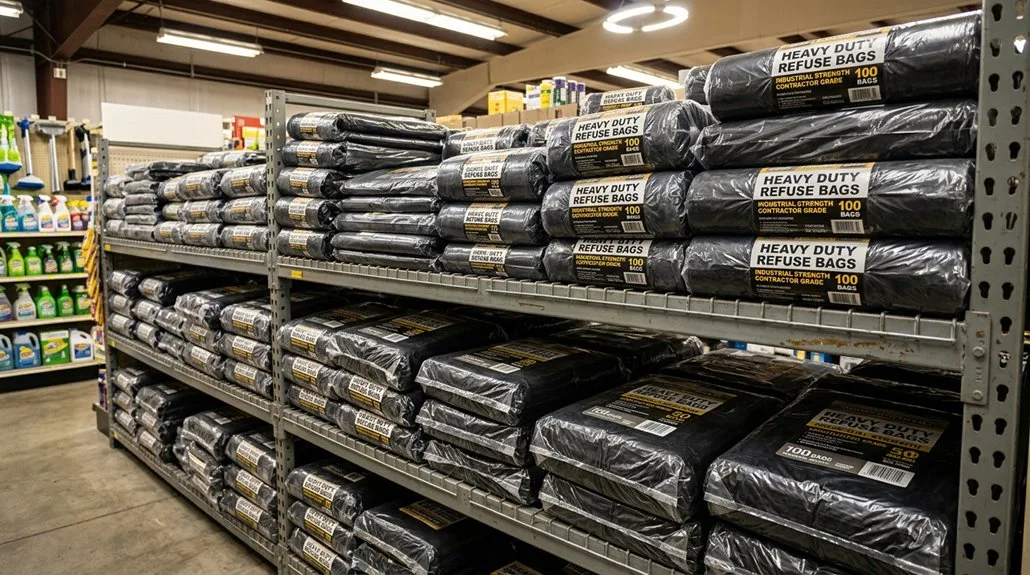
Commercial bulk packages exceeding 500 sacks lower per-unit prices even further through wholesale pricing. Suppliers like Cool Pack cc offer bale quantities ranging from 200 to 3000 units per product line, making it easier for businesses to access volume pricing on standard sack sizes.
Standard 10-gallon rubbish sacks range from $5.00 to $15.00 per 100-pack, with bulk purchases reducing rates markedly.
Smaller quantities consistently incur higher per-sack costs. Subscription or auto-replenishment options can further reduce overall costs by an additional 5–15% compared to one-time purchases.
Here’s what bulk buying delivers for your business:
- Lower per-unit pricing with every volume increase
- Reduced cost-per-sack from $0.20 down to $0.17
- Wholesale access for commercial packages exceeding 500 units
This is a great result for any cost-conscious operation.
The Real Savings Behind Bulk Refuse Bag Discount Pricing
Bulk refuse bag discount pricing delivers savings that go well beyond the sticker price.
A 100-pack costs roughly $0.20 per unit, but a 300-pack drops that figure to $0.17 per unit. That’s a 15–25% reduction, and it compounds across your full annual consumption.
Scaling from a 100-pack to a 300-pack cuts per-unit costs by up to 25%, savings that multiply across annual volume.
Your business also benefits from consolidated shipping costs. Multiple small orders generate higher freight expenses over time.
Bulk orders consolidate those costs across thousands of units, and many suppliers offer free or reduced shipping above set thresholds.
Subscription and auto-replenishment options add another 5–15% in discounts. Regulatory compliance costs, like those tied to plastic legislation across 35 states, get distributed across larger volumes too.
Buying in bulk means your business shares these costs efficiently, keeping your per-unit expense low. Businesses sourcing from a packaging solutions supplier can access a wide range of bulk-compatible products, from carrier bags to butcher bags, all priced to reward higher volume purchases. Bulk buying reduces the amount of plastic used in packaging, making it a more environmentally responsible purchasing decision as well.
How Bulk Refuse Bags Reduce Disposal Fees and Landfill Waste
Across commercial operations of every size, waste disposal costs add up fast. Bulk refuse bags help you manage those costs more effectively. When you buy in volume, you reduce per-unit spending and streamline your entire waste removal process.
Proper bag sizing matters here. Using correctly sized bags means fewer split bags, fewer double-bagging incidents, and less wasted space in collection bins. Your disposal contractor charges by volume or weight, so tighter packing delivers real savings. Bags are available in multiple weight capacities, including 10kg, 25kg, and 50kg options, so businesses can match bag size precisely to their waste stream requirements.
Bulk purchasing also encourages better waste sorting practices across your team. Sorted waste costs less to process and diverts usable material from landfills. That’s a great result for your bottom line and your compliance record.
In 2018, the United States generated 292.4 million tons of municipal solid waste, highlighting just how critical efficient commercial waste management systems have become for reducing the national landfill burden.
Coolpack cc supplies bulk refuse bags to businesses across Paulpietersburg and surrounding regions, helping you control disposal costs consistently.
The Storage Habits That Keep Bulk Refuse Bags Usable Longer
Storing bulk refuse bags correctly extends their usable life and protects your investment. Keep bags in a cool, dry environment away from direct sunlight. UV exposure weakens material integrity over time, reducing bag reliability.
Humidity is a serious concern. Excess moisture accelerates breakdown and compromises structural strength. Store bags in pantries, cupboards, or climate-controlled facilities to prevent this.
Follow these storage practices for great results:
- Stack no higher than four bags
- Use pallet racking for organised vertical storage
- Apply rotation schedules, using older stock first
Bags maintain peak quality for approximately 12 months after purchase. Plan your inventory around actual usage rates. Avoid overstocking beyond operational needs, as unnecessary stockpiling accelerates deterioration. Excessive heat or moisture can also accelerate degradation and weaken bags beyond their intended functional capacity. Smart storage habits keep your supply reliable and your business running efficiently. Sourcing your bags from a reliable packaging supplier with rigorous quality standards ensures the material is built to withstand storage conditions without premature degradation.
Why a Growing $24 Billion Market Favors Bulk Buyers
This growth favours bulk buyers directly. Here’s why:
- Mandatory waste segregation makes bags essential infrastructure, lowering your unit costs at volume
- Foodservice, hospitality, and healthcare adoption creates scale economies
- Microplastic-free materials meet tightening regulations, giving compliant buyers a competitive edge
Institutional demand for contamination-free waste liners keeps rising. The global market is projected to reach USD 813 million by 2036, growing at a steady 7.5% CAGR from its current valuation of USD 394 million in 2026. Suppliers with nearly three decades of industry experience serving agricultural and industrial clients are well positioned to meet this rising demand at scale.
Institutional demand for contamination-free waste liners is climbing — and it shows no signs of slowing down.
Businesses that buy in bulk now lock in pricing advantages before market expansion drives costs higher.
You belong on the right side of that shift.
Why Coolpack CC Bulk Refuse Bags Deliver the Best Cost-Per-Bag Value
When you buy refuse bags in bulk, your cost-per-bag drops markedly.
Coolpack CC supplies bulk refuse bags from Paulpietersburg, South Africa, serving businesses, restaurants, and farms across the region.
Their bags come in various micron thicknesses and sizes, meaning you select the right specification for your operation.
Bulk purchasing works simply. You pay less per unit when you order more.
This principle applies directly to refuse bags, where volume orders reduce your overall packaging costs.
Coolpack CC positions itself as a wholesale partner, not just a supplier.
Businesses that join this network gain access to competitive bulk pricing on cleaning materials and hardware alongside refuse bags.
You save time by consolidating your orders.
You save money through reduced cost-per-bag value on every purchase.
Their team includes IPSA-certified packaging specialists who can advise on the correct refuse bag specifications for your specific operational needs.