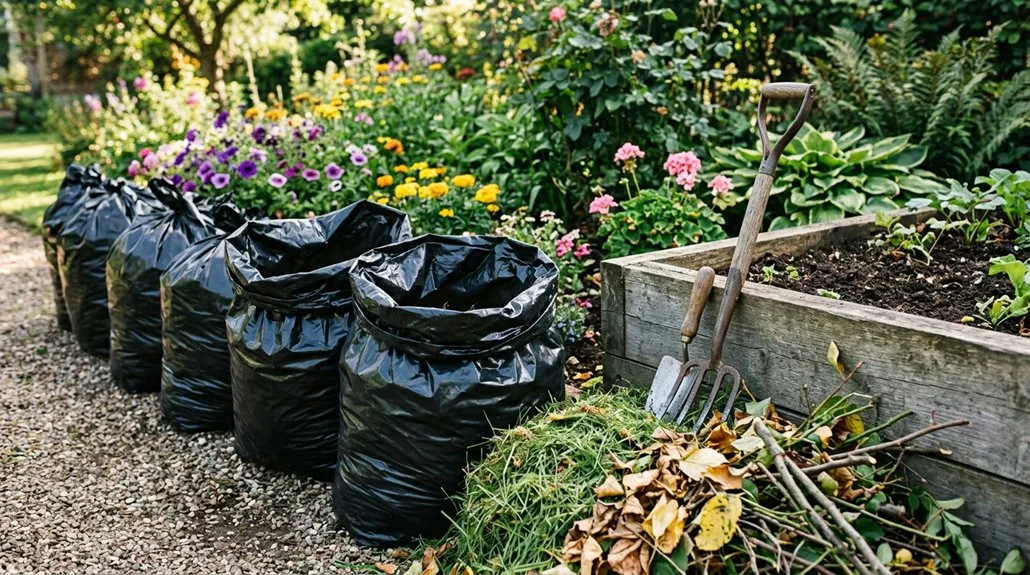
Not all black refuse bags are built the same — and grabbing the wrong one could leave you knee-deep in split plastic, wet soil, and scattered garden waste. Most gardeners assume any thick bag will do the job, but polymer composition changes everything. LDPE/LLDPE blends outperform standard liners when facing sharp branches and heavy, irregular loads. Before you reach for whatever’s on the shelf, there’s something worth knowing about what actually separates a reliable garden refuse bag from one that fails you mid-task.
How Thick Black Refuse Bags Differ From Standard Bin Liners
Thick black refuse bags and standard bin liners may look similar, but they’re built from different materials for different jobs. Refuse bags use low-density polyethylene (LDPE), which creates flexible, branched molecules. Liners use high-density polyethylene (HDPE), forming tighter, straighter molecules.
You’ll notice the difference immediately. Thick bags feel smoother and quieter, while liners feel stiffer and crustier to the touch.
Here’s what separates them technically:
- Thick refuse bags reach 6.0 mil or higher in thickness
- Standard kitchen bags measure around 0.9 mil
- LDPE bags stretch around irregular shapes; HDPE liners don’t
You’re choosing the right tool when you match the bag to the job. These differences aren’t minor — they’re engineered for specific performance outcomes. LDPE refuse bags are far better suited for sharp or jagged garden debris because their higher puncture resistance protects against tears that thinner HDPE liners simply cannot withstand. For South African farmers and growers managing large volumes of garden and agricultural waste, sourcing from a supplier with bulk packaging experience ensures consistent bag quality across every order.
Are Thick Black Refuse Bags Right for Garden Waste?
With regard to garden waste, not every bag holds up to the job. Standard bags collapse under leaves, grass clippings, and heavy debris. Thick black refuse bags solve this problem reliably.
You’ll find these bags are built for exactly the challenges your garden creates. At 440 gauge polythene and 3-mil thickness, they resist tearing, punctures, and ripping. They handle timber, rubble, and yard waste without failing.
Key specifications worth noting:
- 440 gauge polythene construction
- 3-mil thickness prevents common bag failures
- 30–39 gallon sizes fit varied garden waste volumes
- Suitable for heavy debris including construction rubble
These bags deliver a great result for anyone managing tough outdoor waste. You’re choosing durability over repeated failures. Each box contains 100 sacks, giving you a substantial supply for ongoing garden clearance projects. For larger-scale clearance needs, suppliers such as Cool Pack cc offer a wide range of packaging solutions suited to both domestic and industrial waste management.
Why Bag Thickness and Star-Sealed Bottoms Matter in Gardens
Durability alone doesn’t tell the whole story of what makes a bag reliable in the garden. Thickness and bottom construction work together to protect you from messy failures.
Thicker LDPE construction resists punctures from sharp debris and rough handling. It also handles moisture without leaking, which matters when you’re dealing with wet soil or composted waste.
Star-sealed bottoms add another layer of protection:
- They prevent leakage during transport and disposal
- They maintain integrity when bags are lifted or dragged across rough surfaces
- They extend the bag’s usable lifespan when exposed to moisture
You deserve equipment that performs consistently under real garden conditions. Choosing bags with both thick construction and star-sealed bottoms gives you a great result, keeping your garden work clean and manageable. Black refuse sacks are available in multiple capacity options, ranging from standard 50-litre to extra-large 240-litre sacks, so you can match the right size to your garden waste volume. For broader garden and farm needs, suppliers that stock woven polypropylene bags alongside refuse sacks often provide practical options for handling heavier loads like soil, compost, or harvested produce.
Which Garden Tasks Are Heavy-Duty Black Bags Actually Built For?
Heavy-duty black refuse bags handle the toughest garden workloads, from hauling wet leaves and pruning debris to managing heavy, sharp waste without tearing.
You can also use them to collect construction debris like broken concrete chunks, scrap timber, and rubble after garden renovation projects.
Bags rated at 150 microns or thicker offer the puncture resistance and load capacity needed for these demanding tasks. Sealed black bags placed in a sunny spot can also be used for anaerobic composting, slowly breaking down layered green and brown materials into nutrient-rich organic matter over several months.
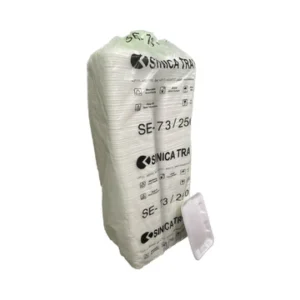
For organising and transporting smaller garden waste like clippings or seedling trimmings, pairing your refuse bags with styrofoam trays can help keep fragile cuttings protected during collection and transport.
Heavy Waste Handling
Thick black refuse bags handle some of the toughest garden tasks with ease.
You’ll find these bags built for demanding outdoor work, and that’s a great result for any gardener tackling serious cleanup.
Here are three heavy waste tasks these bags manage well:
- Bulk loads up to 85kg, including heavy soil and compost
- Sharp debris containment, handling thorny branches and prunings without punctures
- Wet waste collection, with leak-proof LDPE film preventing seepage
You’re getting a bag tested at 23kg drop resistance and sized at 120L for bulk compost loads.
The extra-wide opening makes filling easier during large garden cleanups.
These specs mean you’re equipped to handle waterlogged yard waste, dense soil clumps, and heavy garden hauls confidently. Each case contains 200 sacks, giving you ample supply to work through extensive garden clearance projects without running short.
For even greater control over waste volume on larger properties, pairing your refuse bags with a micro check weigher helps you monitor load weights accurately before transport.
Construction Debris Disposal
Beyond heavy waste, garden projects often bring in construction-related debris that needs equally tough containment. Broken concrete, old bricks, and drywall scraps are common after outdoor renovations. You’ll need reliable bags that handle sharp, irregular materials without tearing.
Heavy-duty black refuse bags work well for lighter construction debris like:
- Small concrete chunks
- Broken pavers
- Drywall offcuts
- Scattered asphalt shingle pieces
For larger volumes, consider renting a 20-yard roll-off dumpster. Specialised recycling centres accept concrete, crushing it into aggregate, terrain stones, or blocks. Pre-sorted loads receive better rates at these facilities. Suppliers offering sales and bulk orders can also provide the right quantity of heavy-duty bags to match the full scale of your construction debris cleanup.
Junk removal services are a great result when time is limited. Professionals sort and haul mixed debris responsibly, minimising your environmental footprint while keeping your garden project on track.
How Do 440 Gauge Coolpack CC Bags Cope With Heavy Garden Loads?
When you load a 440 gauge Coolpack CC bag, you’re working with 110-micron-thick polyethylene that’s been tested to hold up to 100kg without structural failure. The star-sealed bottom distributes weight evenly across the base, so soil, compost, and wet debris don’t concentrate pressure on a single stress point. These bags also handle timber offcuts and rubble effectively, with reinforced seams that resist splitting even when you drag the bag across rough ground. Cool Pack CC, based along the R33 in Paulpietersburg, Kwazulu Natal, supplies these heavy-duty refuse bags as part of a broader range of industrial packaging solutions designed for demanding environments.
Gauge Strength Under Load
Carrying heavy garden loads is where the 440 Gauge Coolpack CC bags truly prove their worth. At 110 microns thick, these bags handle demanding materials without breaking down. You’ll find this gauge outperforms standard options markedly.
Here’s what the 440 Gauge handles reliably:
- Up to 70 lb of heavy materials, including bricks, concrete, and soil
- Sharp garden debris like thorns and rubble without puncturing
- Wet, dense organic waste without spilling or tearing
The LLDPE polyethylene construction delivers superior tear resistance under pressure. You’re getting a bag engineered specifically for heavy-duty containment. Standard bags cap out around 45-50 lb, making 440 Gauge a great result for serious garden work. Coolpack CC’s specification guarantees consistent performance every time. Backed by nearly three decades of industry experience, Coolpack CC has refined its product range to meet the real demands of agricultural and commercial clients across KwaZulu-Natal and Mpumalanga.
Star-Sealed Bottom Performance
The star-sealed bottom on 440 Gauge Coolpack CC bags tackles one of the biggest challenges in garden waste management: uneven weight distribution. Multiple fused seams spread weight evenly across the base. This design reduces the risk of splitting under heavy, irregular loads like branches and soil.
You’ll find this feature especially beneficial when dragging full bags across your garden. The star-seal maintains integrity up to 90% bag capacity. It also prevents leaks during transport, keeping your garden clean and manageable.
Key performance figures include:
- Handles 150–250kg of wet garden waste
- Reduces bottom stress by 40% vs. flat-seal bags
- Resists punctures from thorns and roots
These are great results that make Coolpack CC bags a trusted choice for serious garden cleanup work. Cool Pack cc, based in Paulpietersburg, Kwazulu Natal, supplies these bags as part of their broader range of high-quality packaging solutions designed for demanding applications.
Timber And Rubble Capacity
Most garden projects generate heavy loads that standard bags simply can’t handle.
Coolpack CC’s 440 gauge bags measure 500mm x 760mm, giving you generous space for bulky materials. At 110mu thickness, they resist punctures and tearing under significant stress.
You’ll find these bags handle three key heavy materials effectively:
- Soil and cement — withstands dense, abrasive loads without failure.
- Bricks and concrete blocks — sturdy construction prevents stress-related tears.
- Timber and landscaping debris — maintains integrity under irregular, sharp loads.
These bags outperform standard polythene alternatives considerably. You’re getting a product engineered for construction and landscaping demands.
Coolpack CC delivers a great result for anyone managing heavy garden waste efficiently and reliably. For larger projects requiring load measurement, Coolpack CC also supplies industrial platform scales rated up to 150kg to help you monitor and manage material quantities on site.
Reusable Garden Waste Bags vs. Single-Use Black Refuse Bags
Many gardeners face a common choice: reusable garden waste bags or single-use black refuse sacks. Both options serve garden cleanup, but they differ markedly in longevity and value.
Reusable garden waste bags are designed for multiple seasons of yard work. They feature four super-strong handles per bag, making dumping safe and convenient. Their waterproof, tear-resistant construction protects contents across repeated use cycles.
Reusable garden waste bags handle multiple seasons with ease, featuring four super-strong handles for safe, convenient dumping every time.
Single-use black refuse sacks, however, aren’t always truly single-use. Standard heavy-duty refuse sacks made from thick polythene (440 gauge) withstand repeated use without degradation. That’s a great result for anyone managing regular garden waste.
Your choice depends on disposal frequency and waste volume. Both options outperform cheap domestic bin bags considerably. You’ll find reliable performance with either solution when quality materials are prioritised.
Which Coolpack CC Bag Size Fits Your Garden?
Choosing the right bag size saves you time and prevents unnecessary waste. Coolpack CC offers solutions for every garden setup you’re working with.
- Small gardens (under 100 sq ft): Use 50–125Ltr bags, handling loads up to 10kg for light pruning and clippings.
- Medium gardens (100–300 sq ft): Choose 127–170Ltr bags, like the 170Ltr pop-up design (690 x 560mm), built for mixed waste.
- Large gardens (over 300 sq ft): Opt for 220Ltr+ bags, supporting heavy loads up to 50kg in durable polypropylene.
Matching your bag to your plot size delivers a great result every time. You’ll find the right fit at Coolpack CC in Paulpietersburg, South Africa.