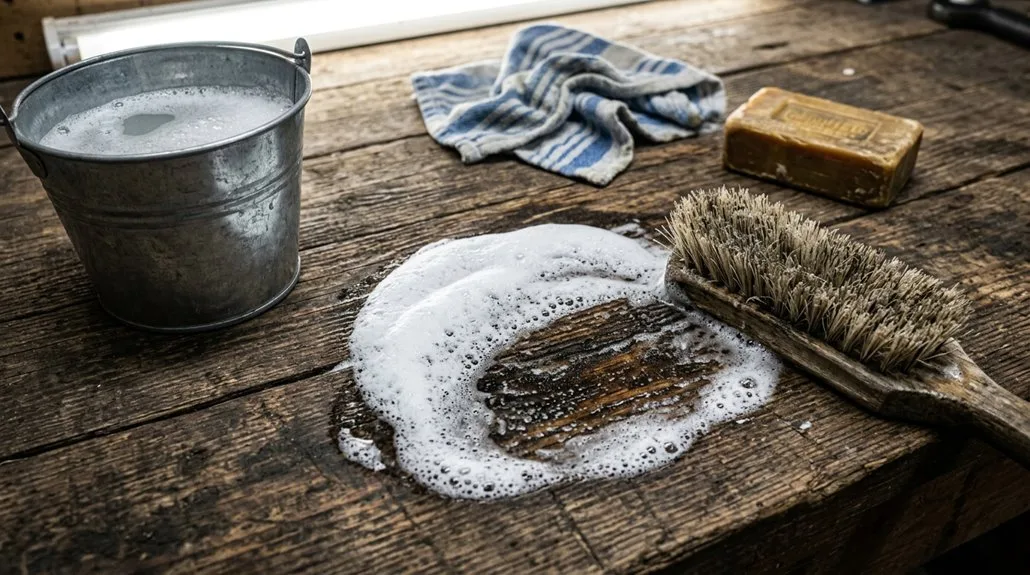
Most people attack tough stains with strong soap and make everything worse. The fabric weakens, the stain sets deeper, and that favourite shirt becomes a lost cause. But handled correctly, strong soap can pull out stains that seem completely beyond saving. The difference comes down to three things: knowing your stain, respecting your fabric, and applying the soap the right way. Get any one of these wrong, and you’re fighting a losing battle.
Know Your Stain Before Reaching for Strong Soap
Why does the same strong soap work brilliantly on one stain but barely touch another? The answer lies in stain classification. You need to identify your stain before selecting any cleaning solution.
Stains fall into three main categories:
- Protein-based: Blood, sweat, dairy
- Oil-based: Grease, butter, cooking oil
- Tannin-based: Coffee, tea, wine, juice
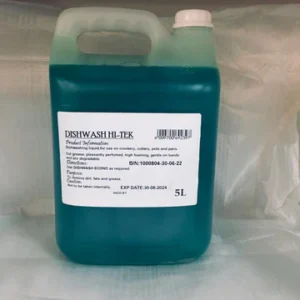
Each category responds differently to treatment. Protein stains require cold water and enzyme-based cleaners. Oil stains need absorbent powders first, then grease-cutting dish soap. Tannin stains respond well to dish soap mixed with cool water. For heavy industrial grime and grease, a heavy duty industrial cleaner is far more effective than standard household soap.
Fresh stains always respond better than set ones. Speed delivers a great result every time. Knowing your stain puts you ahead before cleaning even starts. Act quickly, as sooner treatment significantly improves your chances of full stain removal.
Which Fabrics Can Handle Strong Soap (And Which Can’t)?
Not every fabric handles strong soap the same way. Knowing your fabric type protects your clothes from damage.
Cotton and linen are durable. They handle a range of detergents well. Tide Original works great on both, fighting stains while keeping fibres intact.
Cotton and linen are tough fabrics that handle strong detergents well, keeping fibres intact while fighting stains effectively.
Synthetics like polyester and nylon also tolerate stronger soaps. Wash them in cool or warm water. HEX Performance Laundry Detergent removes oils and odours without breaking down fibres.
Wool and silk need gentler treatment. Strong soaps damage wool by causing shrinkage and texture changes. Silk requires pH-neutral products to preserve its sheen.
Here’s a quick guide:
- Cotton/Linen: Handles strong detergents well
- Synthetics: Tolerates stronger soaps in cool water
- Wool/Silk: Requires mild, speciality detergents only
Using the wrong soap on any fabric can cause fabric degradation and discoloration due to pH imbalance between the cleaning agent and the material. For heavy-duty cleaning tasks beyond household laundry, sourcing industrial-grade hygiene solutions ensures the right chemical strength is matched to the right surface or material.
Pre-Treat Tough Stains Before Applying Strong Soap
Before you apply strong soap to a tough stain, you need to identify what type of stain you’re dealing with — organic stains like grass or food respond well to enzymatic removers, while grease stains respond better to dish soap or a vinegar-baking soda paste.
Once you’ve identified the stain, apply your chosen pre-treatment solution to both sides of the fabric and gently rub from the back using your finger. Let the solution sit for at least 5-10 minutes — or up to 30 minutes for older, set-in stains — before moving on to washing with strong soap. Pretreating as early as possible is key, since fresh stains are significantly easier to remove than those that have already set into the fabric.
Identify Stain Type First
Identifying the stain type before applying strong soap is a critical first step that directly affects your cleaning results.
Each stain category responds differently to cleaning agents. Matching the right treatment to the stain type delivers a great result.
Here are the five main stain types you’ll encounter:
- Alcohol-based: Perfume, cologne, aftershave, hair spray
- Sugar-based: Fruit juice, cola, syrups, sports drinks
- Oil-based: Butter, makeup, grease, body oils
- Protein-based: Blood, sweat, dairy products
- Tannin-based: Coffee, tea, wine, tomato-based liquids
You’re not alone in finding stain removal confusing. Sugar-based stains are particularly deceptive because they crystallise as they dry, locking into fabric fibres and becoming significantly harder to remove the longer they are left untreated.
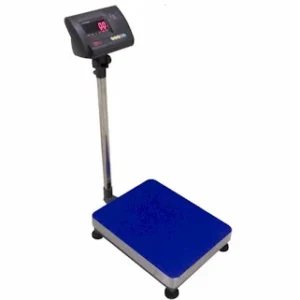
Knowing your stain type prevents costly mistakes, like applying hot water to protein stains or natural soap to tannin stains. Coolpack cc’s product range addresses each category effectively. For heavy-duty industrial or commercial cleaning environments, a platform scale 150kg can help accurately measure soap and chemical concentrations needed for large-scale stain treatment operations.
Apply Pre-Treatment Solution
Once you’ve identified the stain type, you’re ready to tackle the next step: applying a pre-treatment solution. This step breaks down deeply embedded dirt before you apply strong soap. Skipping it’s the most common reason DIY cleaning fails.
Apply your chosen solution directly to the stain. Let it sit for 5–15 minutes depending on stain severity. For oil or grease, use Tide Oxi Amplify and allow 5 minutes of dwell time. For tougher stains, wait at least 15 minutes before laundering. When storing your pre-treatment solutions, using a 500ml square plastic bottle helps keep them ready for quick application without mess or spillage.
Here’s what works for common stains:
- Oil/grease: Saturate with Blue Dawn or Oxi Amplify
- Blood: Apply hydrogen peroxide immediately using cold water
- Food/beverages: Use a vinegar-water mix, blot after a few minutes
Pre-treatment improves your soap’s performance greatly. For wine stains on white fabric, adding Downy Rinse It Out to the rinse cycle can further boost stain removal results.
Apply Strong Soap to Stains Without Damaging Fabric
Strong soap can lift tough stains effectively without wrecking your fabric if you use it correctly. First, rub bar soap directly into the dampened stain area. This pretreats heavy stains before full washing.
Apply the cleaning fluid to the back of the stain, placing the fabric facedown on paper towels. Blot the stain with a clean, damp cloth. Never rub, as rubbing spreads damage further into the fibres.
Hold your spray gun at a safe distance from the fabric. Use only a small amount of cleaning agent at one time. You’ll get a great result by keeping your technique controlled and precise. Replace paper towels frequently to absorb lifted stain residue effectively. For wiping up excess moisture and cleaning agent during the process, a 2-ply kitchen towel is a reliable and absorbent option to keep nearby.
Remove Soap Residue to Protect Your Fabric’s Colour
After treating the stain, you’ll need to remove any soap residue left behind. Residue appears as white marks on air-dried fabric. Acting quickly protects your fabric’s colour and texture.
You’ve got several effective removal methods available:
- Nylon rubbing: Hold ripped nylon as a ball and rub directly on residue. It lifts instantly, no rinsing needed.
- Vinegar soak: Mix 1 cup white vinegar with 1 quart water. Soak for one hour to neutralise alkaline residue without colour bleeding.
- Baking soda paste: Combine three parts baking soda with one part water. Apply, scrub in small circles, wait 15–30 minutes, then rinse.
- Rubbing alcohol: Apply directly to residue, scrub gently with a soft toothbrush, then rewash before drying.
Each method delivers a great result. When scrubbing delicate fabrics, wearing latex disposable gloves can protect your hands from prolonged chemical exposure during the process.
Rinse, Wash, and Dry Without Setting the Stain
When you’ve finished treating the stain, rinsing, washing, and drying correctly determines whether the stain is gone for good. Cold water rinsing prevents water-safe fabrics from absorbing the stain deeper into the fibres. Pre-soaking stained garments in cold water stops stains from setting before the washing cycle begins.
Use 1-2 tablespoons of high-efficiency detergent placed directly into the washing machine tub. Select extra rinse options on normal or eco cycles to prevent detergent residue buildup. Avoid hot water and bleach, as these worsen stains and damage fabric.
Never apply heat until you’ve confirmed the stain is completely gone. Air-drying delivers a great result by preventing stains from setting permanently. Heat from dryers and irons drives stains deeper into fabric, making removal nearly impossible. For blotting and absorbing excess moisture during stain treatment, 2-ply kitchen towels are a practical and effective option to keep on hand.