Most people assume any heat sealer will do the job. It won’t. PE, PP, and metal-layered films each demand different temperatures and pressure levels — use the wrong combination and you’re looking at split seams, compromised freshness, and returns you can’t afford. Sealing clear retail plastic bags isn’t a one-size-fits-all process, and the difference between a flawless seal and a failed one often comes down to a few critical steps most sellers overlook.
Why Your Sealing Method Determines Bag Quality
The sealing method you choose directly affects how well your plastic bag performs under real-world conditions. A poorly chosen method creates weak seals, even on thick plastic. Your community of fellow packagers knows this firsthand.
Seal type determines three critical performance factors:
- Load stress distribution
- Weight handling capacity
- Leakage prevention
Flatseal delivers medium strength and low leak resistance. It suits retail dry waste applications well. However, it won’t handle heavier or wetter contents reliably.
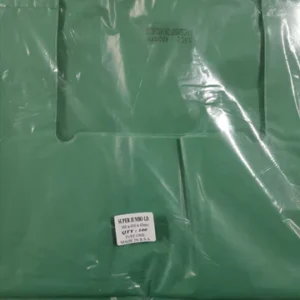
Heat sealing produces airtight closures that protect against contamination and leakage. Continuous band sealers achieve high-volume production through conveyor-fed heated bars. Choosing the correct method for your specific bag type is a great result for long-term packaging success. For butcher and food retail environments, selecting bags with the right micron thickness specification ensures the seal holds under moisture and weight stress without tearing at the closure point.
For bulk material packaging operations, inflatable spout seals create dust-tight connections between filling heads and bag inlets, preventing product loss and airborne contamination during the fill cycle.
Prep Your Clear Retail Plastic Bag Before Sealing
Before sealing, proper preparation of your clear retail plastic bag sets the foundation for a strong, reliable closure. You’ll achieve a great result through adhering to these preparation steps carefully.
- Select a flat, heat-resistant surface and clear it of flammable materials.
- Position your bag with the seal area facing upward, aligning edges straight.
- Remove excess air from the bag’s interior manually before sealing.
- Trim uneven edges to create a clean, straight seal line.
- Fold toilet paper evenly over the seal area as a protective layer.
These steps guarantee your bag is correctly positioned and ready for sealing. You’re part of a community that values quality packaging. Coolpack cc, based in Paulpietersburg, South Africa, supplies clear retail plastic bags built for reliable sealing performance. Cool Pack cc also offers complementary plastic wrapping solutions such as bubble wrap and stretch cast film to meet a full range of packaging needs. Always allow the sealed area to cool completely before handling or using the bag to ensure the closure has set firmly.
Best Ways to Seal Clear Retail Plastic Bags
Once your bag is prepped and ready, sealing it correctly keeps contents fresh and secure. You’ve got three reliable methods to choose from, and each one delivers a great result.
Sealing your bag correctly keeps everything fresh and secure — and there’s more than one great way to do it.
Portable Bag Sealer: Charge it via USB-C, press the seal button, and dab or slide along the edge. Allow a 1-second warm-up to melt plastic cleanly.
Flat Iron Method: Place contents at the bag’s bottom. Apply heat for 2-3 seconds above the contents using wax paper as a barrier.
Household Iron Method: Set your iron to its highest temperature without steam. Place aluminium foil or wax paper between the iron and plastic, then press for 1-3 seconds. For tougher cutting tasks on packaging materials, a 115mm diamond disc can be used to trim rigid plastic sheeting with precision.
Minimise air inside before sealing to prevent bubbling and achieve a tidy, mess-free closure. The portable bag sealer also includes a small cutting button that lets you trim excess plastic before resealing as needed.
Match Your Bag Material to the Right Sealing Method
Your bag’s material determines which sealing method will work, so you need to identify it before choosing a technique.
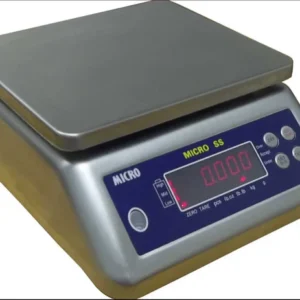
Thermoplastic films like PE and PP respond well to heat sealing at temperatures up to 250°C, while paper or fabric bags require adhesive bonding instead. For industrial packaging operations that require consistent and accurate measurements, a check weigher scale can help verify that sealed bags meet the correct weight specifications before dispatch.
Using heat on non-thermoplastic materials damages the bag, so matching your method to your material protects both the product and the seal’s integrity. If your bag contains a metal layer, such as aluminium foil, high-frequency sealing is the appropriate method, as it uses electromagnetic fields to bond the material effectively.
Identify Your Bag Material
Plastic bags come in several material types, and each one seals differently. Knowing your material prevents weak seals and damaged products.
You’ll get a great result when you match the right technique to the right plastic.
Here are the five most common retail bag materials:
- LDPE – Smooth, glossy, flexible, and easy to heat-seal due to its low melting point
- LLDPE – Stronger than LDPE, puncture-resistant, common for food storage and rubbish bags
- HDPE – Dense, opaque, and very tear-resistant, ideal for heavy retail items
- PP – Crystal clear with high heat resistance, great for food and electronics packaging
- PET – Extra strong with superior heat resistance for heavy-duty applications
When selecting a bag for heavier contents, film thickness guidance recommends using 3 to 6 mil gauges to ensure the seal holds under stress. For liquid or food products, pairing your sealed bag with a reliable PET clear bottle offers an added layer of protection during storage and transport. Check your bag’s label or supplier documentation to confirm its material before sealing.
Align Methods To Materials
Matching your bag material to the correct sealing method is the most important step in getting a reliable, professional seal. Every material responds differently to heat, pressure, and adhesives.
Here’s a quick guide for your reference:
- PE/PP bags: Use impulse sealing at 140–170°C, sealing in 1–3 seconds.
- Laminated PET or composite films: Use constant heat sealing at 190–220°C.
- Gusseted bags: Use hot air sealing to protect exterior structure.
- PVC or PU bags: Use high-frequency sealing for hermetic results.
- Heat-sensitive products: Use cold sealing with pre-coated adhesive layers.
You’ll get a great result when you match your method correctly. Your community of fellow packagers follows these same standards, and you should too. For operations that rely on stitching as a closure method, a dedicated bag closing stitching machine can deliver consistent, high-strength seals across a wide range of bag types.
Avoid Incompatible Sealing Techniques
Using the wrong sealing technique on the wrong bag material is one of the most common causes of seal failure. Matching your method to your material gives you a great result every time.
Here’s what you need to avoid:
- Don’t use impulse sealers on thick foil or Mylar pouches — they can’t generate enough consistent heat.
- Don’t use direct heat sealers on thin polyethylene bags — they’ll burn or melt the material.
- Don’t apply any heat-based method to delicate or specialty films — ultrasonic sealing works better here.
- Don’t skip preheating your sealer — inconsistent temperatures cause incomplete seals.
- Don’t seal contaminated surfaces — grease or residue prevents proper bonding.
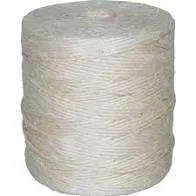
For agricultural and industrial packaging applications, suppliers like Cool Pack cc offer bulk bag closing equipment including stitching machines, needles, and poly yarn that provide reliable sealing alternatives suited to heavy-duty materials.
You’re part of a community that does packaging right.
Common Mistakes When Sealing Clear Retail Bags
When sealing clear retail bags, even small mistakes can compromise the entire package. You’re part of a community that values quality, so knowing these common errors matters.
Even minor sealing mistakes can ruin an entire package—and in this craft, quality always comes first.
Overfilling is a frequent problem. You need at least one inch of top space for a secure seal. Excess bulk weakens closure and causes leaks.
Incorrect heat settings also damage seals. Low temperatures create weak, tacky bonds. High temperatures burn the backing layer, producing brittle seals.
Watch for these additional mistakes:
- Trapped air accelerates spoilage and bag bursting
- Sealing too close to the product traps granules or liquids
- Dust and moisture on edges prevent proper adhesion
For added security on sealed packages, industrial wire ties can reinforce bundles and prevent accidental opening during handling or transit.
Controlling your environment and technique delivers great results. Clean, calibrated equipment protects your products consistently.
Store and Handle Sealed Bags Without Breaking the Seal
Once you’ve sealed your clear retail bags, you need to store them flat to distribute weight evenly across the seal.
Avoid overfilling bags, since excess pressure strains the seal and risks breakage.
Handle sealed bags with minimal force, pulling loop and bag ends evenly to prevent knot slippage or seal damage.
For added reliability when sealing thicker bags, consider using Adams Clear Butcher Bags rated at 40 microns, which offer greater resistance to puncture and seal failure under pressure.
Proper Storage Position Matters
Storing your sealed bags correctly is just as important as sealing them properly. Your storage position directly affects seal integrity. Poor positioning causes seal failure faster than you’d expect.
Follow these proven storage practices:
- Lay bags flat horizontally to prevent gravity from stressing the seal line.
- Keep storage areas below 70°F and away from direct sunlight to preserve seal plasticity.
- Avoid vertical storage, which increases seal failure rates by 30%.
- Handle bags by their edges, never by the seal line itself.
- Use padded bins or containers to cushion bags during storage and access.
Horizontal storage reduces seal fatigue by 50%, a great result for protecting your products. For heavy-duty storage needs, woven polypropylene bags offer superior structural integrity that holds up well under various storage conditions. Your community of fellow packagers knows that correct storage completes the sealing process successfully.
Avoid Overfilling Sealed Bags
Correct storage positioning keeps your seals intact, but how you fill and handle your bags matters just as much. Overfilling creates pressure that breaks seals and tears plastic.
| Filling Factor | Risk | Best Practice |
|---|---|---|
| Excess weight | Weakens seals | Follow manufacturer limits |
| Overpacked zips | Locks fail | Leave closure space |
| Gradual filling | Reduces spillage | Fill incrementally |
| Base compression | Bag failure | Stack within guidelines |
You’ll get great results by filling bags to recommended levels only. Strong zip-seal closures need adequate space to lock without strain. Excess weight compromises seal integrity during handling.
Follow manufacturer stacking limits consistently. Gradual filling minimises spillage risks that damage your seals. These practices keep your packaging reliable and your products protected throughout storage and transit.
Handle With Minimal Force
Even sealed bags can fail if you handle them too roughly after closing. Proper handling preserves your seal’s integrity after all your careful work.
Follow these handling practices:
- Lift bags by supporting the base and sides simultaneously with both hands.
- Store bags flat in cool, dry areas between 60-75°F, away from direct sunlight.
- Use shallow bins allowing air circulation rather than stacking heavy items on top.
- Inspect seals visually before each handling session, checking for micro-tears.
- Limit opening and closing cycles to under 5 per bag for maximum longevity.
You’re part of a community that values doing things right. Keeping humidity below 60% and rotating stock using the FIFO method delivers a great result every time.