Every week, millions of people toss raw meat into plastic retail butcher bags and slide them straight into the freezer — never questioning whether those bags were ever designed for that purpose. The unsettling truth? Many weren’t. The line between months of perfectly preserved meat and a freezer-burnt disaster comes down to material standards, thickness, and seal quality that most people never think to check. Before you reach for another one of those bags, there are a few critical things you need to know.
Why Butcher Bags Outperform Standard Freezer Bags
Regarding freezing meat, not all plastic bags perform equally. Butcher bags use thicker plastic construction, typically doubling the density of standard storage bags. That extra thickness creates a thermal barrier, stabilising interior temperatures and preventing brittleness in sub-zero conditions.
Standard bags become brittle and crack when exposed to freezing temperatures. Butcher bags contain special additives incorporated during production that maintain flexibility and structural stability where regular bags fail. You’re getting a bag engineered specifically for cold storage demands. Suppliers like Cool Pack cc stock a wide range of butcher bag sizes, from compact 15 x 25 cm options to large 60 x 90 cm heavy-duty bags, catering to varying meat storage needs.
Butcher bags also accommodate sharp foods like meat with protruding bones without puncturing. Their heavy-duty seals minimise air and moisture exposure, reducing freezer burn effectively. For anyone serious about preserving meat quality, butcher bags deliver a great result every time. Freezer bags are specifically engineered to resist ice crystal formation, which protects the texture, flavour, and nutrients of frozen meat over extended storage periods.
How Polyethylene Makes These Butcher Bags Freezer-Proof
When you choose plastic butcher bags, you’re selecting a product built from polyethylene (PE), a plastic engineered to stay strong and flexible even at sub-zero temperatures.
PE resists brittleness, cracking, and moisture loss in freezer conditions, keeping your meat fresh and your packaging intact.
Food-grade PE also meets FDA, BPA-free, and phthalate-free safety standards, so you don’t have to worry about harmful chemicals leaching into your stored food. LDPE, HDPE, and LLDPE each offer distinct advantages, with HDPE providing superior puncture resistance that makes it especially reliable for protecting heavier meat cuts during long-term freezer storage.
For businesses needing bulk packaging solutions, suppliers like Cool Pack CC offer a range of HDPE bottles and containers suited to food storage and distribution needs.
Polyethylene’s Freezer-Resistant Properties
Polyethylene’s molecular structure is what makes plastic butcher bags genuinely freezer-proof. Its flexible polymer chains resist brittleness even at extreme cold. You’re getting a material engineered for reliable frozen storage performance.
LDPE tolerates temperatures from -100°F to 175°F, while HDPE operates between -100°F and 190°F. Both grades exceed standard home and commercial freezer requirements. These specifications mean your stored meat stays protected without bag failure.
Polyethylene delivers three great results in frozen conditions:
- Cold resistance – remains flexible without cracking
- Moisture barrier – seals out air, preventing freezer burn
- Impact durability – resists tearing from sharp frozen edges
Lower crystallinity in polyethylene contributes to this superior flexibility. Freezing actually increases polyethylene’s tensile strength, enhancing structural stability. You’re using a material that genuinely performs when temperatures drop. LDPE is especially well-suited for bags and wraps because it remains flexible and stretchable down to -50°C, resisting rips and drops even under demanding freezer conditions. For agricultural and industrial operations requiring dependable frozen storage solutions, sourcing from a reputable supplier ensures you receive rigorously strength-tested packaging that meets real-world performance demands.
BPA-Free Safety Standards
Beyond performance in cold temperatures, the material composition of plastic butcher bags matters for food safety. You’ll find these bags contain no BPA, as manufacturers produce them from polyethylene plastics, specifically LDPE and HDPE variants.
The FDA approves both LDPE and HDPE for direct food contact. These materials are odourless and colourless, ensuring no chemical migration into your stored meat. Food-grade labelling confirms compliance with strict safety standards. Suppliers serving agricultural and industrial clients across regions like KwaZulu-Natal and Mpumalanga stock these certified food-grade bags to meet the demands of commercial and farming operations.
Key BPA-free credentials include:
- Polyethylene excludes BPA during high-temperature manufacturing
- FDA testing certifies suitability for high-fat and high-moisture foods
- Freezer bags rated for microwave temperatures, confirming food safety
When you choose certified food-grade butcher bags, you’re making a great choice for safe, reliable meat storage alongside your community of health-conscious consumers. In contrast, canned goods linings are frequently identified as among the worst sources of BPA exposure compared to polyethylene-based packaging.
Freezer Safety Standards Every Butcher Bag Must Meet
When you choose a plastic butcher bag, it must meet strict freezer safety standards to protect your meat properly.
The FDA’s 21 CFR Part 177 lists approved materials for food-contact plastic, requiring that bags resist temperatures as low as 0°F (-18°C) without cracking, tearing, or leaking.
You also need bags with high burst resistance and leakproof seals, since pressure changes during freezing can compromise weaker materials and expose your meat to air, bacteria, and freezer burn.
Regulations also require that packaging not alter the taste, odour, or composition of food during frozen storage.
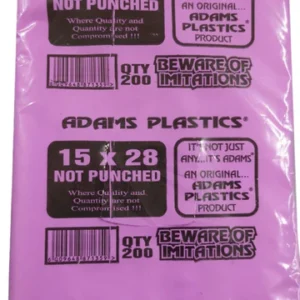
Adams Clear Butcher Bags, available in multiple sizes such as 30 x 45 x 20 and 60 x 90 x 40, are a practical option for butchers who need reliable frozen storage packaging.
Approved Freezer-Safe Materials
Not every plastic bag qualifies as freezer-safe — the material it’s made from determines whether it protects your meat or fails under cold conditions.
You need bags made from approved materials. These three materials define the standard your community of butchers and home users relies on:
- Food-grade polyethylene (PE) — FDA-approved for direct meat contact
- Low-density polyethylene (LDPE) — delivers flexibility and low-temperature resistance
- Virgin polyethylene pellets — chemically inert, preventing contamination
BPA-free certification is required for all quality freezer bags meeting international food safety standards. LDPE remains the most trusted choice across household and commercial freezer applications.
Chemical inertness prevents harmful substances from leaching into your frozen meat during storage. Choosing certified materials gives you a great result — protected meat and complete peace of mind. Suppliers specialising in high-quality packaging solutions stock materials that meet these strict freezer-safe standards, ensuring you source products designed for food safety compliance.
Temperature Resistance Requirements
Temperature resistance separates functional freezer bags from ordinary plastic bags. You need bags that handle -18°C to -40°C without cracking or tearing. Standard plastic bags fail at these temperatures, splitting under stress.
Approved materials like polyethylene (PE) and polypropylene (PP) stay flexible in sub-zero conditions. These materials maintain their structure during long-term freezing storage. You won’t deal with brittleness or unexpected breakage using correctly rated bags.
Key temperature resistance requirements include:
- Range: -18°C to -40°C minimum performance standard
- Flexibility: PE and PP resist cracking at sub-zero temperatures
- Durability: Food-grade plastics withstand extreme cold without compromising safety
- Compliance: International standards require materials to endure freezing reliably
Choosing bags meeting these specifications delivers a great result for your cold storage needs. Pairing freezer-safe bags with styrofoam packaging trays adds an extra layer of insulation and protection for meat products stored at sub-zero temperatures.
Leak And Burst Protection
Freezer bags do more than survive cold temperatures — they must contain raw meat safely without leaking or bursting. Raw meat drips, and a compromised bag contaminates everything around it. You need bags built specifically for this challenge.
Three critical protection features you must confirm:
- Airtight zip closures or heat-sealed edges that prevent liquid leakage
- Leak-proof construction that stops raw meat from dripping onto other foods
- Moisture barrier protection that reduces oxygen exposure and prevents freezer burn
Stronger seals than regular storage bags maintain integrity under freezing stress. FDA-approved seal testing confirms bags meet containment standards. For operations that also require secure bag closing equipment, the Sew-Rite Express stitching machine offers a reliable mechanical sealing solution for heavier packaging applications.
When you choose correctly, you protect your products, your customers, and your reputation — a great result for everyone involved.
How to Choose the Right Size and Thickness
When choosing plastic butcher bags for freezing, size and thickness are your two most important factors. Match the bag size to your food volume to minimise air space and reduce freezer burn risk.
Gallon bags measure 10.56″ x 10.56″, suiting bulk cuts and family portions.
Thickness determines how well your bag survives extreme cold. Thicker polyethylene resists brittleness and prevents cracking at low temperatures. It also supports repeated handling without tears or punctures, providing a great result every time.
Consider these selection points:
- Bulk items: Use gallon-sized bags for larger cuts
- Portions: Choose smaller sizes to maximise freezer space
- Flat stacking: Make sure dimensions allow organised, efficient storage
You’ll get the best freezer performance by combining the right size with adequate thickness. For larger storage needs, woven polypropylene bags are available in sizes ranging from 10kg to 50kg, making them a practical option for bulk freezing and heavy-duty packaging.
Are Polyethylene Freezer Bags Safe for Raw Pet Food Diets?
Choosing the right size and thickness matters, but material safety matters just as much, especially if you’re storing raw pet food. Polyethylene bags, specifically LDPE (plastic #4) and HDPE (plastic #2), are classified as food-safe plastics. They release no BPA and don’t absorb moisture or contaminants in frozen environments.
Here’s why pet owners trust polyethylene freezer bags:
- They’re non-toxic, making them safe for direct contact with raw meat diets.
- Their airtight seals block oxygen, moisture, and odours, locking in your pet’s nutrition.
- Write-on panels help you label portions, keeping your pet’s raw food batches organised.
2 mil thick poly bags prevent freezer burn and maintain freshness. You’ll store your pet’s food with confidence knowing it’s properly protected. For tailored guidance on selecting the right poly bags for your needs, IPSA-certified specialists based in Paulpietersburg are available to provide expert packaging advice.
How to Date, Seal, and Stack Butcher Bags for Long-Term Freezing
Once you’ve sealed your butcher bags properly, dating and stacking them correctly makes a real difference in long-term freezer organisation. Label each bag with the contents, cut type, weight, and freeze date using a permanent marker. Include a use-by date: ground meat lasts 4 months, beef cuts 12 months, and poultry 9–12 months.
For stacking, freeze bags flat for 24 hours first. They’ll form thin, stackable blocks you can store vertically to save space. Keep oldest packages at the front so you use them first.
Organise by meat type using labelled shelves or bins. Stack bags uniformly to avoid punctures. Your freezer stays manageable when everyone in your household follows the same system consistently.