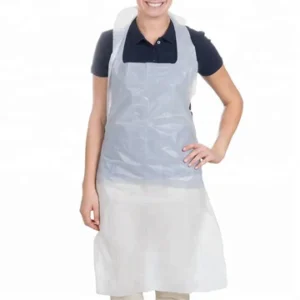
Most catering professionals grab whatever apron’s available — and quietly fail hygiene inspections because of it. Plastic catering aprons aren’t one-size-fits-all, and the difference between 686 mm × 1170 mm and a 28″ × 46″ cut isn’t just numbers — it’s coverage, compliance, and whether you’re protected where it actually matters. Thickness and material type compound the problem further. Getting this wrong costs you more than comfort. The right size for your specific role comes down to three factors most buyers never consider.
Standard Plastic Catering Apron Measurements and What They Cover
Before choosing a plastic catering apron, you need to grasp the standard measurements and what they actually cover.
Most aprons follow an industry-standard size of 686 mm wide by 1170 mm long. That’s roughly 27 inches by 46 inches.
These dimensions protect you from chest to below the knee.
You get full front coverage across your torso, waist, and upper legs.
The 686 mm width also allows side wrap-around for better torso shielding.
Adult sizing typically ranges from 28–32 inches wide and 40–48 inches long.
Here’s a quick breakdown:
- Width: 686 mm (27–28 inches) suits most adult builds
- Length: 1170 mm (42–46 inches) covers chest to knee
- Extended lengths: 1170–1220 mm add extra leg protection for high-risk tasks
For high-demand catering environments, aprons made from polyethylene offer the best combination of waterproofing and affordability. Pairing your apron with the right fast food packaging ensures a fully hygienic and professional food service setup from preparation through to serving.
Which Size Plastic Catering Apron Do You Actually Need?
Choosing the right size plastic catering apron depends on your body type and the tasks you’ll be handling.
The most common option is the 28″ x 46″ design, which fits most adults and covers from the chest to the knee.
If you’re smaller in frame, a petite bib measuring 29″ x 29″ works well, while a chef bib at 40″ x 39″ gives you fuller coverage for heavier kitchen work. For those needing a reliable everyday option, this apron includes a neck strap and waist ties for a secure and adjustable fit.
For bulk catering environments, disposable plastic aprons are available in packs of 100 units, making them a practical and hygienic solution for high-turnover kitchens.
Standard Sizing Options
Most plastic catering aprons come in two standard sizes: 28″ x 46″ and 24″ x 42″. The 28″ x 46″ option is the most popular choice for food service professionals. It features a one-size-fits-all design with extra-long waist ties for an adjustable fit.
The 24″ x 42″ size works well if you need a slightly smaller option. Both sizes provide reliable protection against spills, stains, and fluids during catering work. Sourcing these aprons from a dedicated packaging supplier ensures you get consistent quality and bulk pricing that keeps your operation cost-effective.
Key sizing specs to know:
- 28″ x 46″ – standard size, 100 aprons per box
- 24″ x 42″ – compact alternative
- 42″ x 24″ – 0.5 mil thickness, 100 per box
Choosing the right size means you’ll stay protected and comfortable throughout your shift. These aprons are made from thin polymer polyethylene, which keeps the material lightweight and flexible regardless of which size you select.
Coverage and Fit
The size you pick determines how well the apron protects you during food prep. Standard dimensions run 686 mm wide by 1170 mm long, covering your chest to knee area effectively.
| Coverage Zone | Dimension | Protection Level |
|---|---|---|
| Width | 686 mm (28″) | Side wrap-around |
| Length | 1170 mm (46″) | Chest to knee |
| Extended length | Below knee | Maximum coverage |
Waist ties secure your fit and prevent gaps during movement. One size fits most designs accommodate various body types comfortably.
You’ll get great results choosing aprons with anti-tangle neck ties and adjustable side straps. These features reduce slippage during active kitchen tasks. Prioritise coverage matching your specific hazard level for the best protection outcome. For bulk order quantities, contacting Cool Pack CC directly ensures you receive tailored solutions and expert advice suited to your operation. Each apron is individually wrapped in a poly bag to maintain hygiene and prevent contamination before use.
How Thickness Affects Which Plastic Catering Apron Suits Your Job
Thickness determines how well your plastic catering apron protects you on the job. Thin aprons at 1.0 mil suit light, short-duration tasks in low-risk environments, while general food preparation requires at least 1.2 mil for reliable barrier protection against bacteria and chemicals.
Heavy-duty work, like meat processing or commercial dishwashing, demands 1.5 mil or higher to resist punctures, tears, and prolonged chemical exposure. For operations handling bulk quantities of product, pairing your apron with the right Adams Clear Butcher Bags ensures a fully protected and hygienic workflow from prep to packaging.
Aprons exceeding 2.0 mil thickness can restrict movement and reduce comfort, making them impractical for tasks requiring fine motor skills or extended wear.
Light Tasks, Thin Aprons
When choosing a plastic catering apron, thickness plays a direct role in matching the apron to your task. Light-duty aprons range from 0.8 mil to 1.0 mil, making them ideal for short, low-risk jobs.
You’ll find LDPE aprons (15–20 microns) work great for basic food prep and hygiene tasks. They’re lightweight, flexible, and keep you comfortable during extended shifts. Polyethylene aprons at this thickness provide reliable waterproofing without added bulk.
Key specs for light tasks:
- HDPE: 8–15 microns for economical use
- LDPE: 15–20 microns for general food handling
- Minimum recommended: 1.0 mil for light commercial kitchens
Food safety regulations confirm 1.0 mil as the standard minimum. These aprons reduce fatigue and lower costs in high-turnover environments, producing a great result for your team. For operations also requiring woven polypropylene bags to store or transport food products, sourcing both from a single packaging supplier can streamline procurement and reduce overhead costs.
Heavy Duty Thickness Matters
Heavy-duty tasks demand more from your apron, and thickness is what separates reliable protection from failure. Commercial kitchens require at least 1.5 mil for meat processing and dishwashing. Gauges of 0.3mm or higher handle commercial kitchen intensity with great results.
Your material choice matters too. Polyethylene at 2 mil provides twice the strength of standard aprons. TPE at 20–50+ microns suits food processing and long industrial shifts. PVC exceeding 18 mil (450+ microns) protects against chemicals and wet environments.
Here’s what thickness delivers for heavy-duty work:
- 1.5 mil withstands 40% more stress than 1.0 mil
- 2 mil resists rips during cleaning and painting
- TPE offers superior tear resistance for seafood processing
- Thicker aprons extend usable life markedly
Choosing correctly keeps you protected and productive. For broader protective needs in demanding environments, high-quality packaging solutions from a trusted industrial supplier can complement your safety wear setup effectively.
Matching Thickness To Job
Your job type determines the ideal thickness for your plastic catering apron. Matching the right thickness to your role delivers a great result in protection and comfort.
Consider these standard thickness ranges:
- Light-duty (salad prep, beverages): 0.8–1.0 mil or HDPE at 8–15 microns
- Medium-duty (general food prep, moderate liquids): 1.0–1.2 mil or LDPE at 15–30 microns
- Heavy-duty (meat processing, dishwashing, chemicals): 1.5–2.0 mil or TPE at 20–50+ microns
You’re part of a team that values doing things right. Choosing correctly means fewer risks on the job.
Thinner aprons suit short, fast-turnover tasks, while thicker options handle long shifts and sharp materials. Your work environment guides every thickness decision. Suppliers with nearly three decades of experience serving agricultural and industrial clients can help confirm the right specification for your specific working conditions.
Which Plastic Catering Apron Material Works for Your Kitchen?
Choosing the right plastic catering apron material directly affects your kitchen’s hygiene, safety, and efficiency. Your environment determines which material suits you best. Each option serves a specific purpose.
The right apron material directly impacts kitchen hygiene, safety, and efficiency — your environment determines what works best.
PE aprons work well in high-turnover kitchens and delis. They’re lightweight, disposable, and water-resistant. PVC aprons suit meat processing and dishwasher areas, offering chemical resistance and easy cleaning. PU aprons deliver improved coverage for fluid-heavy tasks, outperforming PE in demanding wet environments.
Consider these stronger options for intensive use:
- TPU: Superior tear resistance for seafood and food processing plants
- CPE: Textured surface with strong chemical resistance for beauty and kitchen environments
- TPE: Soft, premium feel for industrial manufacturing
Matching your material to your specific task delivers a great result every time. For storage and dispensing of kitchen liquids, square PET bottles in sizes ranging from 500ml to 1.5L offer reliable, food-safe container options that complement a well-organised catering setup.
Color-Coded Plastic Catering Aprons and the Right Size for Food Safety
Once you’ve matched your apron material to your kitchen environment, colour-coding and sizing become your next practical considerations.
Colour-coding keeps your team organised and reduces cross-contamination risks. Use blue for fish, red for meat, and white for bakery tasks.
These colours help aprons stay in their designated areas, which supports food safety compliance across your facility. FDA-accepted polyethylene aprons come in five colours, giving you flexible options.
Sizing matters equally. The industry standard measures 686 mm wide by 1170 mm long, providing chest-to-knee coverage for most adults. A 28×46-inch apron suits hospitality and cleaning roles well.
Proper fit prevents contamination gaps. Adjustable ties and full coverage guarantee your apron stays secure during long shifts, supplying a great result for your kitchen’s hygiene programme. For broader packaging needs in your facility, suppliers like Cool Pack cc also stock clear butcher bags in multiple sizes suited to food handling and storage applications.
How Plastic Catering Aprons Fit Line Workers and Catering Teams
Line workers and catering teams rely on a consistent, well-fitted apron to stay protected during long shifts. You’ll find that secure neck and waist ties prevent slippage, keeping you covered throughout busy service periods. Adjustable elements improve your mobility, which matters greatly during extended shifts.
A well-fitted apron keeps line workers and catering teams protected and mobile throughout even the busiest shifts.
The standard apron measures 686 mm wide by 1170 mm long, covering you from chest to knee. Width allows side protection during active tasks. One size fits most adults across varied body types, so your whole team stays uniformly protected.
Bulk packaging supports high-turnover environments effectively:
- 100 aprons per box for team distribution
- 1,000-unit cases for large catering teams
- Individually wrapped units maintain hygiene per use
Coolpack cc in Paulpietersburg supplies these aprons directly, making team ordering straightforward and reliable.
How Plastic Catering Apron Ties and Straps Affect Fit
Ties and straps directly control how well a plastic catering apron fits your body during a shift. Getting the right measurements means you’ll move freely without adjusting constantly.
Waist ties vary by size:
- Kids aprons use 20″ ties
- Regular sizes use 40″ ties
- Big and tall sizes use 50″ ties
Neck straps range from 8″–20″ for kids and 15″–29″ for big and tall sizes. Crossback shoulder straps let you slip the apron on without neck pressure, a great result for long shifts.
Adjustable straps guarantee universal sizing across server and bistro aprons. Shoulder styles also dry quickly and keep your apron positioned correctly. Choosing the right strap style means your whole team stays comfortable and covered throughout the workday.