Top Secrets: Why Bulk Woven Bags Are Essential for a Farm?
Most farmers bleed money at harvest without knowing why. Bulk woven bags fix five costly problems you never saw coming.
Most farmers blame weather or market prices for shrinking margins — but the real culprit hides in plain sight every harvest season. Bulk woven bags, engineered to hold 2,000–4,000 pounds of polypropylene-reinforced strength, are quietly separating profitable farms from struggling ones. They simultaneously cut costs, preserve grain quality, and accelerate logistics in ways that conventional packaging simply cannot. Five farm-changing secrets explain exactly why.
How Bulk Woven Bags Cut Farm Costs Without Cutting Corners
Bulk woven bags lower farm packaging costs without sacrificing quality or reliability. Their polypropylene construction keeps production costs low compared to rigid options like metal containers or plastic drums. You’re getting strong, affordable packaging that actually works for your operation.
Bulk woven bags cut farm packaging costs while delivering the strength and reliability your operation demands.
The lightweight designreduces freight charges and improves space utilisation in transport vehicles. Fewer trips mean lower fuel consumption when moving seeds, grains, fertilisers, and animal feed. That’s a great result for any farm managing tight logistics budgets.
Buying in bulk delivers even greater savings:
Container-load orders reduce per-unit costs
Annual supply contracts lock in competitive pricing
Production capacity exceeds 5,000 MT monthly
You’ll find your packaging costs drop markedly without compromising the durability your farm depends on. Many bulk woven bags can be reused multiple times, further reducing how often you need to replace your packaging supply. Suppliers like those based in Paulpietersburg, Kwazulu Natal offer locally accessible options that help farms across the region avoid costly international shipping on their packaging orders.
Why Bulk Woven Bags Protect Every Harvest Better Than Alternatives
Every harvest you bring in deserves reliable protection from the moment it leaves the field.
Bulk woven bags deliver that protection consistently, and your farming community benefits greatly from this.
Here’s what makes woven polypropylene bags superior:
Moisture resistance: PP woven bags keep grains dry during storage and transportation.
Pest protection: The woven design resists rodents and insects, isolating any infestation to individual units.
Durability: These bags hold 2,000 to 4,000 pounds without tearing or damage.
Contamination control: One affected bag never compromises your entire supply.
Globally, post-harvest losses reach 14%.
You can reduce that number substantially with airtight, UV-stabilised woven bags.
Unlike silos, where one infestation risks everything, bulk woven bags protect each unit separately.
That’s a great result for your operation. Reusable FIBC bags also enable significant savings while supporting efficient storage and stacking across your facility.
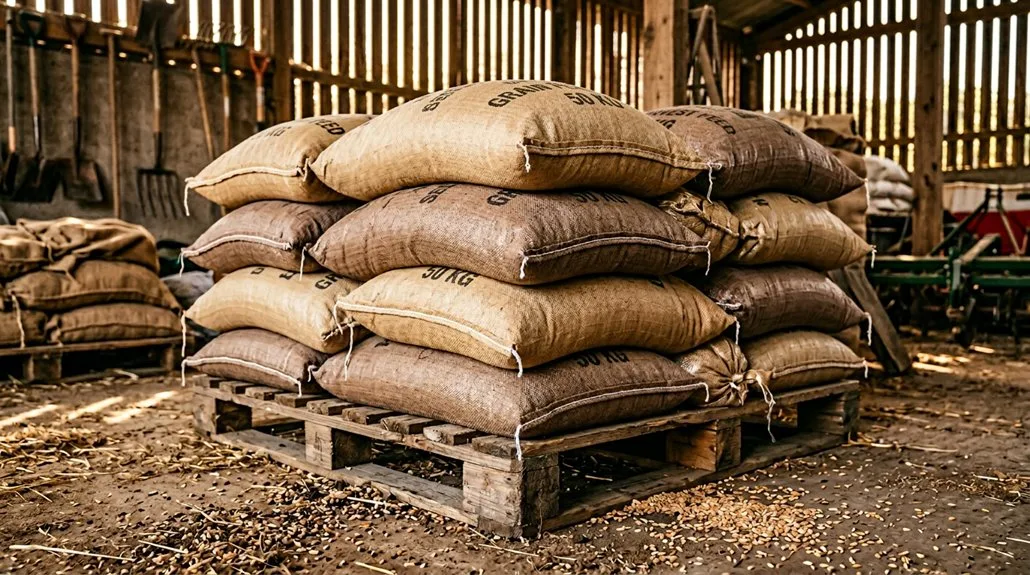
South African farmers across KwaZulu-Natal and Mpumalanga have increasingly adopted bulk woven bags as their preferred post-harvest storage solution, recognising the long-term value they deliver across diverse crop types.
How Bulk Woven Bags Make Farm Logistics Faster and Simpler
Protecting your harvest is only half the challenge — moving it efficiently is the other half. Bulk woven bags simplify your entire logistics process from field to market.
Moving your harvest efficiently is just as vital as protecting it — bulk woven bags streamline every step.
These bags feature forklift pockets and lifting loops for easy manoeuvrability. You’ll spend less time on manual handling and more time running your operation. They’re compatible with forklifts and mechanised bagging systems, cutting labour costs markedly.
Their strong woven construction withstands transit pressures, vibrations, and heavy loads. You can load them onto trucks, boats, or trains without worrying about product damage.
Key logistics benefits include:
Faster filling and discharge through customised spouts
Fewer bags needed for bulk transport
Reduced downtime through enhanced handling
Farms using bulk woven bags report a great result: simplified operations and lower overall shipping costs. Whether you’re transporting grain, seeds, or fertiliser, bulk woven bags are available in various sizes to match the exact volume and logistical demands of your farm. For personalised guidance on selecting the right bags for your operation, IPSA-certified specialists are available to provide expert advice tailored to your specific agricultural needs.
Stack More, Store Smarter: Space Advantages Bulk Woven Bags Deliver
Storage space on a farm is never wasted — it’s always in demand. Bulk woven bags give you a smarter way to use every square metre you have. Their stackable design creates vertical storage, so you’re building up instead of spreading out.
These bags come in standardised sizes of 1–2 cubic metres, making pallet and container loading efficient. Forklift pockets and lifting loops allow easy manoeuvring during stacking. Woven polypropylene construction withstands multi-layer stacking without damage. Suppliers offering packaging solutions alongside bulk bags ensure farms can source compatible storage products from a single point of contact.
Here’s what the numbers show:
A 35″×35″×35″ bag holds ~1 cubic yard, storing 500–1,000 lbs
A 40″×40″×48″ bag provides ~2 cubic yards for 2,000–3,000 lbs
High-capacity formats support oxygen-controlled environments, preventing spoilage
The global farming sack and tote market reflects this demand, with woven sacks dominating at a 44.2% share driven by grain, fertiliser, and feed logistics.
Your storage works harder when your bags are built for it.
Why Bulk Woven Bags Are the Sustainable Choice Modern Farms Need
Sustainability isn’t just a trend — it’s becoming a core part of how successful farms operate. Bulk woven bags support that shift directly. You’re choosing packaging that works harder while leaving a smaller environmental footprint.
These bags deliver measurable sustainability benefits:
Reusability: Polypropylene woven bags handle loads up to 2,000 kg repeatedly without deteriorating, reducing your need for constant replacements.
Biodegradability: Polypropylene dissolves faster than comparable materials, releasing fewer harmful substances into soil, air, or water.
Reduced emissions: Lightweight construction lowers fuel usage during transport, cutting your operation’s carbon output.
Farms using these bags join a growing community making smarter choices. You conserve resources, reduce waste, and build a supply chain worth being proud of. When it comes to sealing and securing these bags efficiently on the farm, equipment like the Sew-Rite Express stitching machine ensures a reliable close every time. This shift to smarter packaging directly addresses growing concerns around climate change and plastic pollution.
Most carpenters skip these critical Ingco electric planer safety steps—and pay the price. Learn setup, gear, and technique before serious injury finds you first.