Most operators never question their packaging — and that’s exactly why their food arrives compromised. The wrapper, container, or clamshell you choose determines whether a customer bites into something worth returning for or something destined for the bin. Foil-lined materials and bagasse behave completely differently under heat, moisture, and time pressure. These distinctions quietly separate profitable fast food brands from forgettable ones. The best packaging decision isn’t obvious, and the answer might contradict everything you currently believe about your supply chain.
How the Wrong Packaging Ruins Temperature, Texture, and Freshness
Choosing the wrong packaging damages food before it ever reaches the customer. Temperature swings release enzymes that destroy flavour and form ice crystals that wreck texture. Poor seals allow air exposure, accelerating nutrient and scent loss.
Wrong packaging destroys food before it arrives. Temperature swings, enzyme release, and broken seals accelerate damage at every stage.
Your packaging must control moisture, oxygen, and structural integrity together. Excess moisture causes soggy textures in baked goods and ready-to-eat meals. Insufficient moisture dries bread through starch retrogradation at 0–10°C. Brown paper bags offer a balance of breathability and moisture resistance that helps regulate humidity around dry and semi-dry food products.
Oxygen exposure also causes serious damage. Oxidation of fats produces a waxy mouthfeel and destroys crunch in nuts. Enzymes soften cut fruits like apples and avocados, causing mushiness.
Structural failure compounds every problem. Crushing deforms food shape and causes texture loss in transit. Breakage exposes contents to contaminants, speeding spoilage markedly. Quality packaging prevents contamination and spoilage by maintaining the structural barriers that keep food safe from production to delivery.
Heat Retention and Barrier Protection in Fast Food Packaging
Fast food packaging must do two jobs at once: keep heat in and keep contaminants out. Materials like foam and aluminium do both effectively. Foam’s tiny air pockets slow heat transfer, while double-walled designs create insulating air gaps between layers.
Reflective materials bounce thermal radiation back into food, reducing temperature loss. Your packaging material’s thermal conductivity directly determines how well it performs.
Barrier protection matters equally. Refrigerated storage at up to 8°C preserves food safely for two weeks. Above that temperature, aerobic bacteria, lactic acid bacteria, yeast, and mould accelerate spoilage rapidly.
Key facts to remember:
- Foam reduces heat transfer through trapped air pockets
- Aluminium reflects thermal radiation back into food
- Temperatures above 8°C accelerate microbial growth markedly
Choosing the right material delivers a great result every time. Styrofoam trays, such as those offered in white and black variants, are widely used in fast food packaging due to their lightweight insulating properties and availability in multiple sizes. Phase-change materials absorb and release thermal energy to maintain desired food temperatures for extended delivery durations.
The Best Packaging Material for Burgers, Fries, and Hot Foods
Wrapping burgers and fries in the right material keeps them hot, fresh, and intact from kitchen to customer. You’ll find that foil-lined wrappers handle ultra-greasy items like loaded fries and stacked burgers without leak-through. Aluminium foil retains heat and prevents moisture loss effectively.
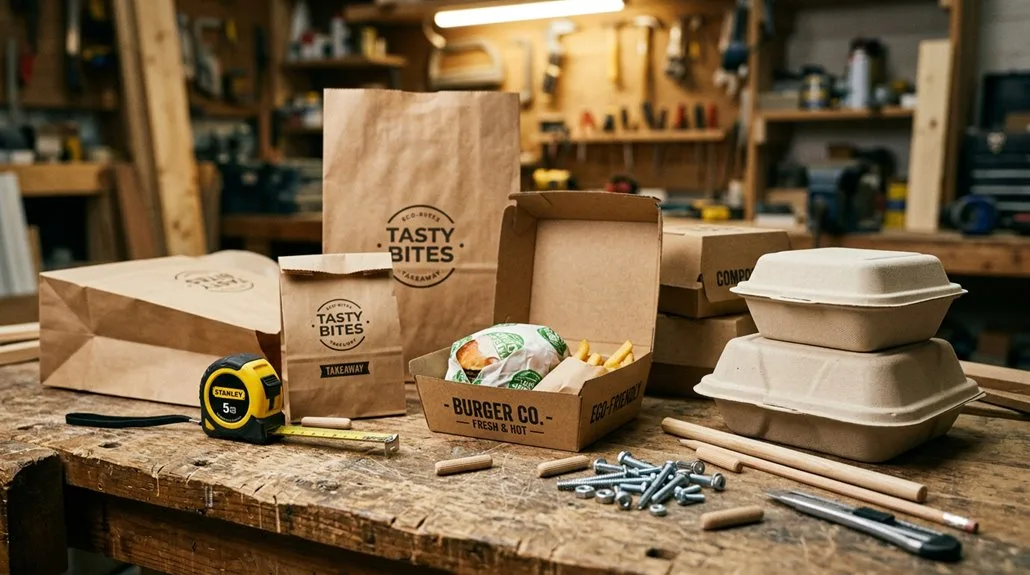
For burgers specifically, foiled burger wraps provide heavy grease resistance for juicy burgers, kebabs, and hot dogs. Bagasse clamshells are heat-resistant and sturdy enough for hot, heavy foods without becoming soggy. Kraft paper boxes also work well for burger wraps and sandwich boxes.
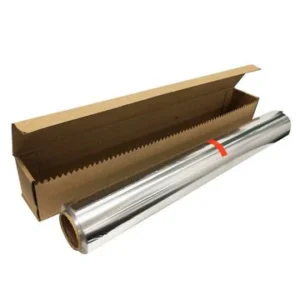
Polypropylene trays suit hot takeaway foods because they’re microwavable and chemical-resistant. You’re choosing materials that your customers trust. Contact Coolpack cc in Paulpietersburg for quality fast food packaging solutions suited to your business needs. Businesses that require reliable food-safe wrapping for countertop prep and service can also rely on a heavy duty catering foil roll, which provides consistent coverage and heat retention across high-volume food preparation environments.
Stand-up foil pouches are manufactured from a thin layer of aluminium foil and are air-, moisture-, and light-resistant, making them effective for preserving freshness and preventing spoilage in fast food applications.
Sustainable Fast Food Packaging That Still Performs
Sustainability in fast food packaging has moved from a niche concern to a core business priority. Over 70% of younger consumers choose products based on sustainable packaging. You’re not alone in wanting packaging that performs and protects the planet.
| Material | Benefit |
|---|---|
| Bagasse | Biodegradable, heat-resistant |
| PLA-coated paper | Prevents spills, insulates |
| Kraft paper bags | Lightweight, customisable |
| Cellulose films | Maintains freshness |
| Recycled cardboard | Durable, recyclable |
These materials maintain structural integrity during transit. They’re non-toxic, budget-friendly, and improve your brand image. Recyclable materials already hold 43% revenue share in 2024. For example, single wall cake boxes are a reliable recyclable cardboard option widely used by bakeries and food vendors to safely transport goods. Choosing sustainable options connects you to a growing global movement providing great results for businesses and communities alike. When sourcing these materials online, be aware that access may be blocked by security services like Cloudflare if your browsing activity triggers their protection systems.
Coolpack CC Solutions for Fast Food Packaging
When sustainable packaging choices matter, sourcing from a reliable supplier makes all the difference. Coolpack CC operates from Paulpietersburg, South Africa, and serves Northern Natal and southern Mpumalanga. They stock at least 600 items and maintain membership with IPSA, the Institute of Packaging South Africa. The company is led by Martin Dedekind and has built trust with over 5,000 agricultural and industrial clients across the region.
Coolpack CC stocks over 600 packaging items, serving Northern Natal and southern Mpumalanga as a trusted IPSA-registered supplier.
You’ll find their fast food range designed to keep food fresh, hot, and presentable during transport. Bulk pricing delivers great results for businesses managing high-volume takeaway operations.
Their cooling solutions include:
- Gel packs for temperature-sensitive transport
- EPS styrofoam boxes for lightweight insulation
- EPP boxes for reusable, long-term protection
- EcoCoolBox, a cardboard-based recyclable option that won the 2020 NL Packaging Award
Coolpack CC also offers 9 delivery vehicles and dedicated customer support for your packaging needs. Chilled food packaging options are available with anti-mist rPET lids to minimize condensation and maintain product visibility in cold environments.