Most people mop dirty floors and call it done—then wonder why the grime keeps coming back. Heavy soap changes everything, but only when you use the right product at the right concentration. Get it wrong, and you’ll strip your sealed wood or warp your vinyl before the floor even dries. Get it right, and one clean completely transforms a room. The secret lies in matching your cleaner to your floor type and following every step precisely—from prep to drying—without leaving a trace of residue behind.
Choose the Right Heavy Soap for Your Floor Type
Choosing the right heavy soap starts with knowing your floor type. Each surface needs a specific formula. Using the wrong product can damage finishes or leave unwanted residue. Testing on a less visible spot is always recommended before applying any new soap across your entire floor, especially on sensitive surfaces.
Here’s what works best for common floor types:
- Sealed/varnished wood: Use saponified plant oil-based soaps at neutral to mildly alkaline pH levels.
- Oiled/waxed wood: Products like Bona Oil Soap dilute at 0.2 L soap to 10 L water.
- Vinyl/laminate: Choose pH-neutral, low-foam, oil-free detergents to prevent film buildup.
- Stone/tile: Neutral detergents with lavender extract or slightly alkaline formulas cut grease effectively.
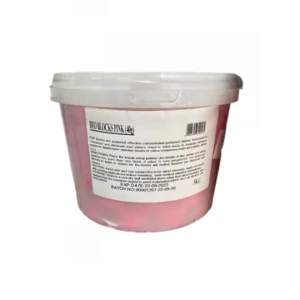
You’ll get a great result when you match the soap to your surface. Coolpack cc stocks compatible options for every floor type. For heavily soiled industrial floors, an All-Rite Heavy Duty Industrial Cleaner delivers the concentrated formula needed to break down stubborn grime efficiently.
Why Heavy Soap Cleans Dirty Floors Better
When you’re dealing with heavily soiled floors, heavy soap’s alkaline pH above 7 gives it a clear advantage over neutral cleaners.
Its high pH formulation actively breaks the molecular bonds in grease, emulsifying tough deposits from vinyl, concrete, and other resilient surfaces.
You get a deeper clean because alkaline solutions neutralise acidic contaminants like food spills and shoe marks, lifting them completely rather than just loosening surface grime. However, it is always best to start with the gentlest solution available and only move to more aggressive options when necessary.
For large-scale commercial environments, sourcing industrial-grade cleaning chemicals from a trusted wholesale supplier ensures consistent product performance across high-traffic floor areas.
Soap’s Grease-Fighting Power
Heavy soap cleans dirty floors more effectively than water alone because of a process called emulsification. Soap molecules surround grease particles, forming micelles that suspend them in water. This prevents grease from redepositing on your floors during cleaning.
Here’s what makes soap’s grease-fighting power stand out:
- Surfactants lower surface tension, allowing water to mix with grease and lift it away
- Hot water accelerates emulsification by softening grease for faster breakdown
- Heavy soap solutions penetrate deep into grease layers, dissolving bonds effectively
- Proper rinsing achieves 85-99.9% bacterial reduction alongside grease removal
You’ll get a great result knowing soap delivers 5.7 g/m² moisture penetration versus 1.8 for water alone. For oil-finished wooden floors, always ensure your heavy soap is pH-neutral to avoid disrupting the wood’s natural oils and causing long-term damage. Coolpack cc supplies heavy-duty cleaning chemicals designed to maximise these benefits for your commercial or domestic floors. Pairing the right soap with quality tools, such as a mop with wringer head, ensures you remove loosened grease efficiently without spreading it across the floor surface.
Deep Cleaning Heavy Grime
Alkaline soap tackles heavy grime by targeting the chemistry of the dirt itself. Solutions above pH 7 break down acidic soils like food and beverage residue. You’ll get a great result when chemistry matches the dirt type.
| Floor Type | Soap Type | pH Range |
|---|---|---|
| Vinyl Composite | Alkaline Cleaner | Above pH 7 |
| Sealed Wood | Neutral Soap | pH 7 |
| Coated Concrete | Degreaser | High pH |
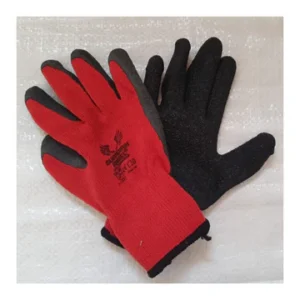
Surfactants penetrate floor crevices deeply through molecular action. Their hydrophobic tails attach to grime, lifting it for easy removal. Sweep first to expose embedded dirt before applying soap. When handling strong chemical cleaners during deep cleaning tasks, wearing latex gloves for protection helps prevent skin irritation from prolonged exposure to concentrated soap solutions.
Mop in sections using a separate rinse bucket. This prevents redistributing heavy soils across clean areas. Dish soap is not ideal for floors because its surfactant formulation can leave streaks and residue behind on surfaces rather than delivering a clean, polished result.
Prep Your Floor Before Applying Heavy Soap
Before you apply heavy soap, you’ve got to remove all loose dirt and debris from the floor’s surface.
Sweep or vacuum the area thoroughly, because skipping this step can cause grit to scratch the floor during mopping. For storing your cleaning solutions, consider using HDPE plastic bottles to keep them safely contained and easy to pour during the cleaning process.
Once the surface is clear of dust and debris, identify any visible stains and treat them with a targeted solution, like a microfiber cloth soaked in washing-up liquid water or a hydrogen peroxide and bicarbonate of soda paste for grout lines. For grout lines specifically, an old toothbrush or grout brush works best to scrub away built-up grime effectively.
Remove Loose Dirt First
Sweeping or vacuuming your floor before applying heavy soap is a critical first step that directly affects your cleaning results. Dry cleaning keeps loose dirt from spreading across your floor when moisture hits it.
It also reduces the amount of heavy soap solution you’ll need later.
Here’s what proper loose dirt removal achieves for you:
- Keeps airborne dust below 20 μg/m³ using dust fibre floor cleaners
- Prevents PM10 particle levels from rising during debris removal
- Reduces cross-contamination risks before wet cleaning begins
- Establishes baseline floor conditions for consistent, repeatable results
Use a microfibre mop instead of a cotton string mop. Microfibre delivers superior performance in removing organic residue. For protecting cleaned floor areas or freshly washed surfaces during storage or transit, stretch cast wrapping film helps shield floors from recontamination.
You’ll get a great result when your floor is properly prepped before heavy soap is applied.
Spot Stains Before Cleaning
Once you’ve cleared loose debris from the floor, your next step is identifying stains before you apply any heavy soap solution. Different stains require different treatments, and knowing what you’re dealing with saves time and effort.
White or cloudy marks indicate moisture trapped in the finish. Dark stains mean water has penetrated deeper into the wood. Food and grease stains sit differently on surfaces and need targeted attention before general cleaning begins.
Follow these prep steps:
- Blot fresh spills immediately with a clean cloth
- Test any cleaning solution in a hidden area first
- Use pH-neutral cleaners formulated for your floor type
- Identify oil, pet, or food stains separately
Spotting stains early gives you a great result when the heavy soap goes down. For tougher industrial or agricultural cleaning challenges, IPSA-certified specialists can provide expert advice tailored to your specific surface and situation.
Mix Heavy Soap Solutions at the Right Concentration
Getting the concentration right makes all the difference when tackling dirty floors with heavy soap solutions. You’ll achieve great results by starting with 1-2% cleaner in water. Adjust your mix based on how dirty the surface is.
Here are the recommended dilution rates for heavy-duty products from Coolpack cc:
- Heavy Duty Cleaner: 25ml per 1L water
- Fusion Clean and Hydro202: 40ml per 1L water
- M-Power: 8.3ml per 1L water
- Nitro: 10-40ml per 1L water, depending on soil level
Always add water first, then introduce the chemical while mixing. If surfaces are dirtier, increase soap by 10% increments. Cold water conditions may also require a stronger mix for effective cleaning. Cool Pack cc, based in Paulpietersburg, Kwazulu Natal, also supplies a broader range of industrial and packaging products beyond cleaning chemicals.
Scrub and Mop Dirty Floors With Heavy Soap
Prepare your floors before you start mopping by sweeping or vacuuming to remove loose dirt and debris. This prevents particles from grinding into the surface during cleaning.
Use hot water your hands can tolerate to break up dirt effectively. Apply a heavy soap solution to very dirty or porous floors to lift more grime. Scrub tough grout stains with powdered oxygen bleach for great results with minimal effort.
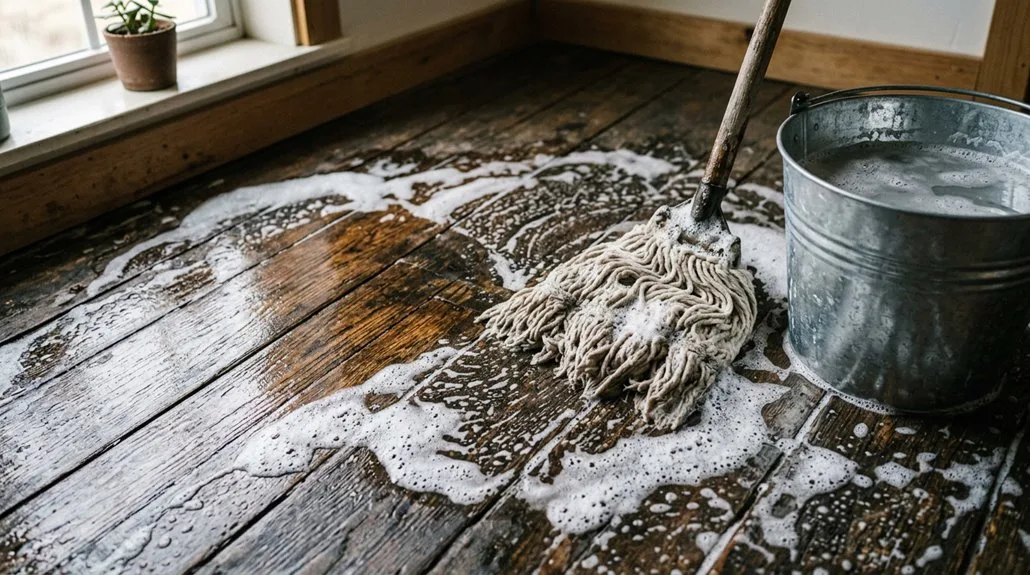
Start mopping from the furthest corner, working toward the exit. Clean in small sections and rinse your mop head regularly to avoid redistributing dirty water. Change your bucket water when it turns brown or muddy.
Wring out the mop head thoroughly, especially on wood floors, to limit excess moisture and prevent damage. A standard household mop paired with a multipurpose cleaner is an effective and affordable combination for tackling heavily soiled floors.
Make DIY Heavy-Duty Soap Blends for Grease and Grime
Mopping dirty floors gets easier when you’ve got the right cleaning product for the job.
You can make effective heavy soap blends at home using simple ingredients.
These DIY formulae tackle grease and grime on most floor surfaces.
Here are four reliable blends you can prepare:
- Bicarbonate of soda paste: Mix grated cleaning soap with bicarbonate of soda, then moisten with water for a spreadable scrubbing paste
- Vinegar fizz scrub: Layer bicarbonate of soda on the floor, splash vinegar to activate fizzing, then scrub with liquid washing-up liquid
- Soft-scrub blend: Combine bicarbonate of soda with liquid cleaning soap, 1 cup water, and 2 teaspoons vegetable glycerin
- Ammonia spray: Mix 2/3 cup ammonia, 2/3 cup washing-up liquid, 6 tablespoons bicarbonate of soda, and 2 cups warm water
Coolpack cc supplies quality cleaning chemicals to help you achieve great results.
Cool Pack cc distributes industrial cleaning chemicals efficiently across Northern KwaZulu-Natal and Mpumalanga, ensuring businesses stay fully stocked with reliable supplies.
Rinse and Dry Your Floor to Lock In the Clean
After scrubbing your floor with a heavy soap blend, rinsing and drying it properly locks in the clean and prevents residue buildup. Use fresh sterile tools and rinse with water or 70% isopropanol when floors feel sticky, tacky, or slippery.
Damp mopping prevents excessive wetting and speeds up drying. Microfibre mops dry markedly faster than cotton string mops, with mean drying times of 529 seconds versus 950 seconds. That’s a great result for high-traffic areas where slipping risks are real concerns.
Follow these key steps:
- Rinse using techniques identical to your mopping step
- Avoid disinfectant pooling to prevent residue
- Dry floors completely to stop mould growth and odours
Proper drying prevents contaminant resurgence and keeps your floors genuinely clean.