
You’ve been lied to about hand soap. The bar sitting by your sink might actually outperform the sleek pump bottle you paid twice as much for — or it might not. Cost, skin health, environmental impact, and germ removal all tell surprisingly different stories depending on which side of the debate you’re on. Before you grab whatever’s on sale next time, the evidence behind this everyday decision is worth a closer look.
Bar Soap vs. Liquid Soap: The Fastest Way to Decide
When choosing between bar soap and liquid soap, the decision comes down to a few key factors. Your priorities — cost, hygiene, skin care, and eco-friendliness — determine which suits you best.
Bar soap costs 1.2 pence per gram versus 1.5 pence for liquid. You’ll use seven times more liquid soap per wash, making bar soap ten times cheaper per use. That’s a great result for budget-conscious households.
Bar soap costs ten times less per use than liquid — a clear win for budget-conscious households.
Consider these deciding factors:
- Cost: Bar soap wins clearly
- Hygiene: Liquid soap reduces cross-contamination
- Skin sensitivity: Liquid soap is gentler
- Eco-friendliness: Bar soap has less packaging
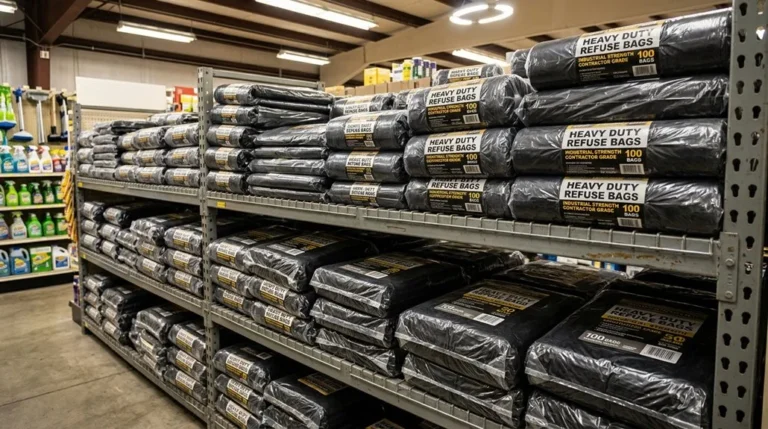
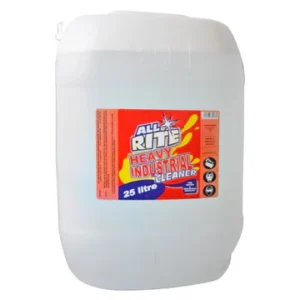
Both clean equally well with proper technique. You simply choose based on what matters most to you. For tougher cleaning tasks beyond personal hygiene, products like heavy duty industrial cleaners are formulated to handle demanding environments where neither bar nor liquid hand soap would suffice. Bar soap is typically packaged in paper or cardboard, making it more readily recyclable and biodegradable than liquid soap’s plastic containers.
What’s Actually Inside Bar Soap and Liquid Soap
Most people never think to break down what goes into their soap. Grasping the ingredients helps you make smarter choices for your household.
Bar soap starts with sodium palmate and sodium cocoate, derived from palm and coconut oils. Sodium hydroxide (lye) reacts with fats through saponification, creating a solid bar. Fatty acids like lauric acid (48% in coconut oil) determine lather and hardness.
Liquid soap uses potassium hydroxide instead, producing a softer consistency. Key ingredients include:
- Potassium cocoate and potassium sunflowerate
- Cocamidopropyl betaine for foam
- Distilled water for purity
Both formats retain glycerin, which hydrates your skin naturally. Fragrance components vary by scent variant, such as citral being unique to Lemon Essentials soap. Grasping what’s inside your soap connects you to a community that values informed, confident cleaning choices.
Liquid soap in particular requires suitable plastic or glass bottles for storage, as packaging material can affect product integrity over time.
How Each Soap Actually Affects Your Skin
Choosing between bar and liquid soap affects your skin more than you might expect. Bar soaps with natural oils retain moisture while cleansing. Liquid soaps often contain SLS, stripping your skin’s protective barrier.
| Factor | Bar Soap | Liquid Soap |
|---|---|---|
| pH Range | 4.5–6.5 (skin-friendly) | Often alkaline |
| Surfactants | Sodium cocoyl isethionate | SLS/SLES |
| Moisture Impact | Retains with natural oils | Strips barrier |
| Contact Time | 60–90 seconds | Rinsed immediately |
| Irritation Risk | Fewer preservatives | Synthetic fragrances |
Your skin loses elasticity after 4 hours of harsh soap treatment. Gentle surfactants show higher keratinocyte viability than SLS. Bar soaps contain fewer ingredients, making hypoallergenic formulation easier. For high-demand settings like commercial kitchens or factories, sourcing from suppliers who stock industrial-grade hygiene solutions ensures consistent product quality across your workforce. You’ll find great results choosing soaps with glycerin or shea butter. Formulas proven safe for melanin-rich skin are especially worth seeking out, as they avoid harsh chemicals that can trigger uneven tone or sensitivity reactions.
Bar Soap and Liquid Soap Remove Germs Equally: Here’s the Evidence
You might think bar soap spreads more germs than liquid soap, but the evidence doesn’t support that claim.
Both bar and liquid plain soaps reduce thermotolerant coliforms by a mean log10 of 0.6–0.7 CFU after just 15 seconds of contact, making them statistically equivalent in germ removal.
What matters most isn’t the soap type you choose, but whether you’re using proper handwashing technique consistently. In fact, a 1988 study found no detectable germ transfer from contaminated bar soap to skin under controlled lab conditions.
For environments requiring additional protection beyond hand hygiene, pairing good handwashing habits with appropriate gear such as latex disposable gloves can further reduce the risk of cross-contamination in food handling or industrial settings.
Soap Types, Equal Effectiveness
Regarding removing germs, bar soap and liquid soap perform equally well. Both types break pathogen bonds, allowing physical removal from your skin. You don’t need antibacterial soap; all soaps function similarly.
Here’s what the evidence confirms:
- Both bar and liquid soap create rich lather, indicating equivalent cleaning power.
- Bar soap works effectively in cold water, while liquid soap performs less effectively under the same conditions.
- Handwashing with either soap type works equally well against viruses and bacteria.
Expert consensus supports this great result: technique matters more than soap type. The CDC and WHO both confirm that proper handwashing outperforms soap choice every time. You’re making the right decision by concentrating on thorough handwashing, regardless of which soap you use. For those handling agricultural and industrial supplies, maintaining clean hands remains especially important when working with tools, chemicals, or livestock. Proper hand-washing technique is so critical that even a 1983 study suggesting bar soap cross-contamination risk in public settings concluded the actual risk remained low.
Debunking Bar Soap Myths
Now that we’ve confirmed both soap types remove germs equally, let’s clear up a persistent myth: bar soap spreads germs. A 1988 study tested heavily contaminated bar soap and found no detectable germs transferred to skin. That’s a great result for bar soap users everywhere.
Bacteria on soap washed away completely, leaving zero residue on hands. You’re not alone in worrying about shared soap, but the science disagrees with the concern.
Key microbiological findings support this:
- Bar soap reduced coliforms by log10 0.6 CFU per hand
- Liquid soap reduced coliforms by log10 0.7 CFU per hand
- Difference is statistically negligible
Dermatologists confirm bar soap is safe despite open exposure. Germs are everywhere, but proper washing technique matters most.
Proper Technique Matters Most
While bar soap and liquid soap remove germs equally, your technique determines how well either one actually works. The CDC and WHO both confirm this: proper handwashing technique matters more than soap type.
Follow these three key steps for great results:
- Scrub thoroughly for 15 seconds minimum
- Remove foam completely, averaging 12 seconds (range: 10–15 seconds)
- Dry hands properly using paper towels
You’re part of a community that values clean, healthy environments. Scientific data supports that soapy water achieves a mean log10 reduction of 0.7 CFU in harmful bacteria after 15 seconds of scrubbing. Water alone only reaches 0.3 CFU reduction.
Your commitment to proper technique genuinely closes that gap, regardless of which soap you choose.
Bar Soap vs. Liquid Soap: Which Costs Less Long-Term?
When comparing bar soap and liquid soap, bar soap wins on long-term cost. You’ll spend less per wash and replace it less often. That’s a great result for your household budget.
Bar soap costs $0.15–$0.18 per use, while liquid costs $0.18–$0.35. A typical hand wash uses 0.35g of bar soap versus 2.3g of liquid — seven times more. Liquid soap also contains 60–80% water, raising its production and shipping costs.
Bar soap costs less per wash, uses seven times less product, and skips the water-bloated price tag of liquid.
Here’s what the numbers show:
- Bar soap lasts 67 days; body wash lasts 41 days
- Bar soap costs 1.2 cents per gram; liquid costs 1.5 cents
- Americans spend $1.5 billion on bar soap, less than $2.7 billion on liquid
Bar soap consistently delivers better value across every purchase.
Bar Soap Is More Eco-Friendly Than Liquid Soap: Here’s the Proof
Choosing bar soap over liquid soap is one of the simplest ways to reduce your environmental impact. The numbers back this up. Switching to bar soap reduces carbon emissions by 96% per 100 units compared to liquid soap.
Here’s what makes bar soap the smarter choice for your community:
- Lower emissions: Bar soap produces 15 kg CO₂e versus liquid soap’s 343 kg CO₂e
- Less packaging waste: Bar soap uses biodegradable cardboard, not single-use plastic bottles
- Better efficiency: Users apply six times more liquid soap per wash, wasting more product
You’re joining a growing group making responsible choices. A 2009 Swiss study confirmed bar soap’s lower environmental footprint across energy use, ecotoxicity, and ozone depletion.
Which Bar or Liquid Soap Should You Buy From Coolpack CC?
When you’re choosing between Coolpack CC’s bar soap and liquid soap, your decision comes down to two key factors: cost and convenience.
If you run a high-volume commercial space, you’ll want Coolpack CC’s bar soap, which lasts up to 30% longer per unit and costs less per use in bulk packs.
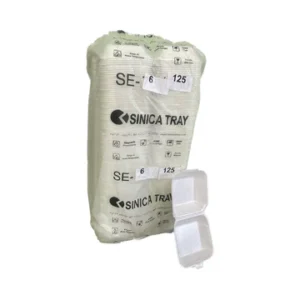
For sensitive environments where speed and skin comfort matter, Coolpack CC’s liquid soap delivers quicker lather, added moisturisers, and easy pump dispensing. For businesses that also need disposable hygiene accessories, Cool Pack CC offers cutlery prepacks with fork, knife, and serviette for just R65.00 incl. VAT per pack of 50.
Coolpack CC Bar Soap
Coolpack CC’s bar soap stands out as a smart pick for anyone who wants effective cleansing with lasting skin benefits. It’s crafted with natural oils, glycerin, and humectants that maintain your skin’s pH balance while preventing dryness.
You’ll find it delivers multi-action results without harsh chemicals.
The range covers several needs your skin may have:
- Icy Refreshment – Strong cooling relief, ideal for hot days or post-exercise use
- Detoxifying – Mild cooling with deep cleansing, controls acne for oily skin types
- Organic – Light cooling, gentle nourishment for sensitive or eco-conscious users
Each bar lasts longer than liquid alternatives, making it cost-effective. Its cold-process production retains natural glycerin, supporting sustainable skincare.
Coolpack CC, based in Paulpietersburg, KwaZulu-Natal, has nearly three decades of industry experience supplying quality products to over 5,000 satisfied agricultural and industrial clients across South Africa.
You’re choosing quality and community with every bar.
Coolpack CC Liquid Soap
Liquid soap-lovers will find Coolpack CC’s Cool Splash antibacterial formula worth considering.
This 11.25 fl oz pump dispenser delivers an antibacterial clean with a fresh scent. Reviewers describe the smell as “divine,” and the lathering performance draws consistent praise.
The product holds a 3.7 overall rating across 598 recommendations. Key scores include:
- Cleans effectively: 3.74/5
- Quality: 3.44/5
- Scent: 3.62/5
- Value: 3.54/5
Verified purchases report 5.0 ratings for cleaning, quality, and scent. One reviewer noted it “smells and cleans great, lathers well.” You’ll join a community of users who’ve found great results with this formula.
Coolpack CC supplies this product for both commercial and domestic use, making it a practical, community-tested choice. The company is based in Paulpietersburg, Kwazulu Natal, and can be reached directly at sales@coolpack.co.za for bulk or commercial inquiries.