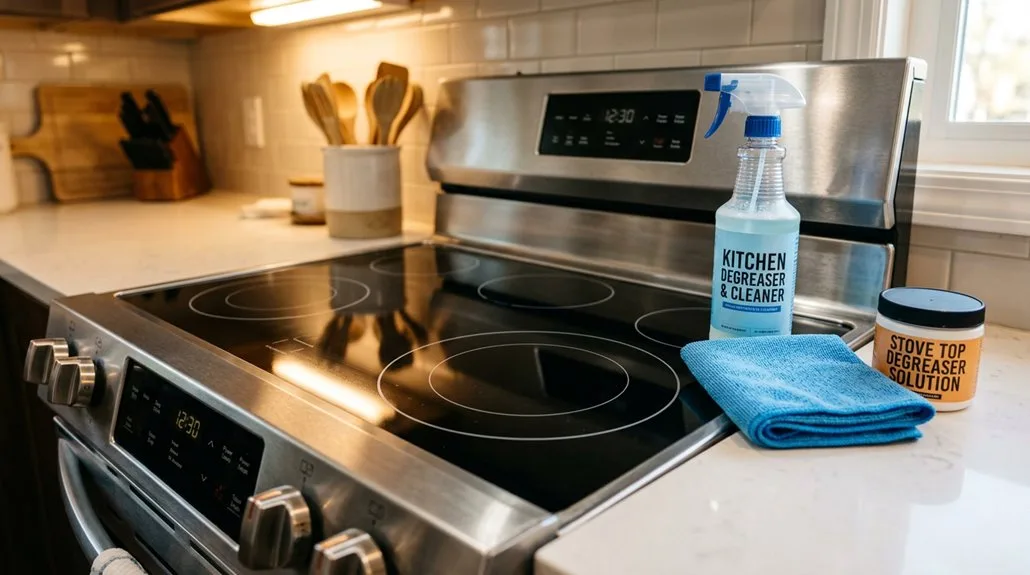
Your stove is more likely to get damaged during cleaning than while cooking. That statistic alone should make you rethink every product sitting under your sink. Strong degreasers cut through grease fast, but on modern stoves, that same chemical power can etch glass-ceramic surfaces, strip painted finishes, or silently void your warranty after a single use. The materials manufacturers use today react very differently to harsh formulae. Before you reach for that heavy-duty cleaner, there are a few things worth knowing.
Can You Use Strong Degreasers on Modern Stoves?
Strong degreasers can work well on modern stoves, but you need to match the formula to the surface. Not every degreaser suits every cooktop. Choosing the right one protects your stove and gets a great result.
Here’s a quick breakdown of your main options:
- Alkaline degreasers tackle heavy grease, baked-on buildup, and fryer soils
- Solvent-based degreasers handle stubborn oily residues and adhesives
- Enzymatic degreasers work best for lighter grease and odour control
You’ll also want to check ceramic induction cooktop compatibility before applying any formula. Strong chemicals left to dry on stainless steel cause streaking. Always rinse thoroughly after application. Products like Weiman’s Gas Range Cleaner and Easy Off Oven Cleaner are popular choices for modern stoves.
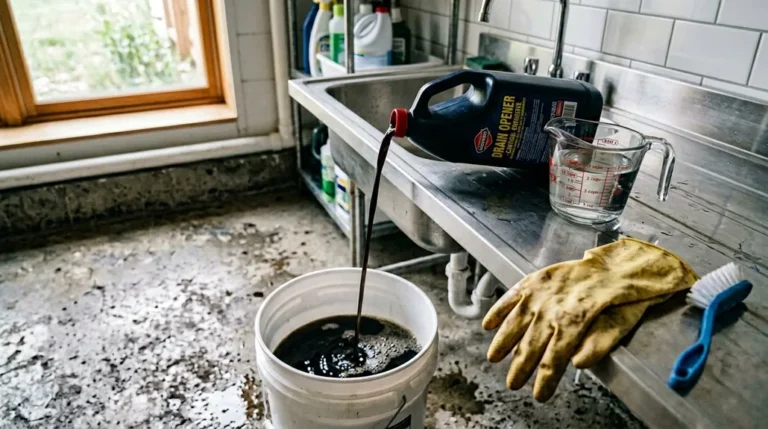
For industrial-level grease buildup, a product such as heavy duty industrial cleaner can deliver powerful results on commercial kitchen equipment and tough cooking surfaces. For glass and ceramic cooktops specifically, non-abrasive formulas using micro-bead technology help remove burned-on food and grime without scratching the delicate surface.
How Harsh Cleaners Damage Coatings, Finishes, and Warranties
Choosing the right degreaser matters, but so does knowing what the wrong one can do to your stove. Harsh cleaners strip protective coatings, damage finishes, and void manufacturer warranties.
Here’s what the wrong cleaner does:
- Ammonia removes protective coatings, exposing surfaces to moisture damage.
- Abrasive scrubs scratch glass stovetops and stainless steel permanently.
- Bleach weakens finishes on metal fixtures, even when diluted.
- Acidic cleaners etch and dull stone or sealed surfaces irreversibly.
- Hydrogen peroxide discolours certain surfaces unpredictably.
Scratches trap dirt over time, making your stove harder to clean. Damaged coatings accelerate long-term wear. Many warranties specifically exclude damage caused by unapproved cleaning products. For reliable guidance on safe and effective cleaning solutions, the IPSA-certified specialists at Cool Pack CC can recommend the right products for your specific stove and surface type. Disinfecting wipes frequently contain alcohol and strong chemicals that can dull and dry out surface finishes with repeated use. Using community-trusted, purpose-formulated degreasers from Coolpack cc protects your investment and keeps your stove performing at its best.
Stove Surfaces That Can and Can’t Handle a Degreaser
Not every stove surface handles a degreaser the same way, so you need to match the right product to the right material. Stainless steel and hard, non-porous surfaces like backsplashes and cooktops generally tolerate alkaline degreasers well, provided you rinse them thoroughly. Glass-ceramic cooktops, painted finishes, and brass or copper surfaces are far more vulnerable, and using the wrong formula on them can cause lasting damage. The Method Heavy-Duty Degreaser, for example, is specifically not suitable for glass or ceramic stovetops, marble, or aluminium. For commercial kitchens and industrial cooking environments, sourcing from suppliers that stock industrial-grade hygiene solutions ensures you get formulae engineered to handle heavy grease without compromising sensitive equipment surfaces.
Surfaces Safe for Degreasers
Many stove surfaces can handle a strong degreaser, but some can’t. Knowing which surfaces are safe helps you get a great result every time. You’ll join many smart home cooks who clean effectively and confidently.
Gas stovetops, stainless steel surfaces, and drip pans are all safe for strong degreasers. Products like Weiman Gas Range Cleaner, Method Heavy Duty Degreaser, and Easy-Off Heavy Duty work well on these areas. Burner grates also respond well to these formulae. When working with strong chemical degreasers, wearing latex protective gloves helps prevent skin irritation and chemical exposure during the cleaning process.
Glass bakeware and ceramic surfaces are safe when you use non-abrasive degreasers. Weiman’s formula, for example, cleans and shines glass components without scratching. ECOLAB Fast Action Degreaser is safe for ceramic oven interiors. Always check the label before applying any product to a new surface. The Cerama Bryte Glass Cooktop Cleaner Combo Kit uses a phosphate-free, non-abrasive formula that is safe for everyday household use on glass and ceramic cooktops.
Surfaces to Avoid
While some stove surfaces handle strong degreasers well, others can’t. Knowing which surfaces to avoid protects your stove and saves you money.
Avoid using degreasers on these surfaces:
- Marble: Degreasers strip finishes and etch marble’s porous surface. Damage is often irreversible.
- Glass stove tops: Many formulas leave streaks or residue. Always check your product label first.
- Aluminium parts: Most degreasers cause pitting and discoloration on aluminium. Goo Gone and EASY-OFF explicitly prohibit aluminium surfaces.
- Painted surfaces: Harsh solvents strip paint from appliance exteriors and cabinets permanently.
- Unfinished wood: Solvents penetrate and warp unsealed wood quickly.
Testing in an inconspicuous area is advisable, but damage on these surfaces is frequently permanent. Choose your degreaser carefully. Degreasers contain harsh solvents and emulsifiers that can remove varnishes and damage certain countertop materials beyond the stove itself. For general maintenance and cleanup around the kitchen, having the right cleaning tools on hand ensures you can tackle grease buildup safely without relying solely on chemical degreasers.
Matching Products to Surfaces
Choosing the right degreaser depends heavily on your stove’s surface material. Stainless steel handles strong degreasers well. Easy-Off Heavy-Duty Degreaser performs great on stainless stovetops and cookie sheets. Method Heavy Duty Degreaser also tackles grease on range hoods and burner grates effectively.
For aluminium components, you’ll want ECOLAB Fast Action Degreaser specifically. It’s explicitly safe for aluminium stoves and tools. Keep Easy-Off Specialty Kitchen Degreaser away from aluminium entirely.
Hard nonporous surfaces accept most degreasers when you rinse thoroughly afterwards. Easy-Off Specialty cleans backsplashes, countertops, sinks, and microwaves safely. For industrial and agricultural operations requiring bulk industrial cleaning chemicals, suppliers like Cool Pack cc distribute cleaning solutions across Northern KwaZulu-Natal and Mpumalanga.
Here’s your quick matching guide:
- Stainless steel: Easy-Off Heavy-Duty, Method Heavy Duty, Zep
- Aluminium: ECOLAB Fast Action only
- Hard nonporous: Easy-Off Specialty, ECOLAB, Method Heavy Duty
The Best Degreasers That Won’t Damage Your Stove
Finding the right degreaser can make or break your stove-cleaning routine. Not every product suits every surface. Choosing wisely protects your appliance and delivers great results.
Here are four trusted options you’ll want to take into account:
- Weiman Gas Range Cleaner – Penetrates tough grease in up to 30 minutes; safe for ceramic, glass, and metal.
- Ecolab Fast Action Degreaser – Attacks grease instantly; uniquely safe for aluminium surfaces.
- Easy-Off Oven Cleaner – Heavy-duty formula rated 4.5/5 stars from 1,303 users.
- Method Heavy Duty Degreaser – Plant-based ingredients like citric acid; wait just 3 minutes for stubborn messes.
You’re part of a community that cleans smarter, not harder. These products make that possible. For wrapping and protecting your appliances during storage or moving, bubble wrap packaging is a reliable solution worth keeping on hand.
How to Degrease a Gas Stove Without Causing Damage
Degreasing a gas stove the right way comes down to preparation and the correct technique. Turn off the gas supply prior to cleaning internal components. Let the stove cool completely, with burners off for at least one hour.
You’ll get a great result by adhering to these steps:
- Wipe the cooktop with a damp cloth first to remove loose debris
- Soak burner caps in hot, soapy water for 10–15 minutes, or 20 minutes for heavily soiled caps
- Never spray degreaser directly on gas openings or electrical parts
- Use a toothbrush for grooves in grates and burner caps
- Turn on overhead vents when using strong chemical degreasers
Every component must be completely dry before reassembly. This protects your stove and keeps your household safe. A multipurpose cleaner is a practical option for cutting through surface grease on exterior panels without the harshness of industrial-strength chemicals.
Application Mistakes That Make Stove Damage Worse
Applying a degreaser to a hot stove surface causes the chemical to evaporate too fast, reducing its cleaning power and increasing the risk of surface damage.
You should also avoid abrasive tools like steel wool or rough sponge pads, since a single use can scratch glass stovetops permanently or introduce rust-causing marks on stainless steel.
Always check surface compatibility warnings on your cleaner’s label, because strong degreasers not formulated for glass or ceramic tops can degrade coatings and leave lasting film buildup.
When storing raw meat or fresh produce during food prep, using styrofoam packaging trays can help contain leaks and prevent cross-contamination that might otherwise leave greasy residue on your stove.
Applying Cleaners While Hot
One of the most damaging mistakes you can make is using a degreaser on a hot stovetop. Heat accelerates chemical breakdown and increases vapour release, making the process unsafe. You’re putting yourself and your stove at risk.
Applying cleaners to a hot surface causes these four problems:
- Flammable vapours release rapidly near active ignition sources like pilot lights
- Water-based degreasers evaporate before breaking down grease deposits effectively
- Thermal shock from cool liquids damages glass-ceramic and enamel finishes permanently
- Concentrated chemicals become unstable, producing hazardous byproducts at elevated temperatures
Always let your stovetop cool completely before applying any degreaser. This simple step protects your surface and delivers a great result. Coolpack cc’s heavy-duty cleaning solutions work most effectively on cool, stable surfaces. For operations that require precise measurement of cleaning product quantities, stainless steel check weighers are built to withstand the demanding conditions of industrial and commercial environments.
Using Abrasive Tools Incorrectly
Heat isn’t the only way you can damage your stovetop during cleaning. Abrasive pads and steel wool scratch stainless steel surfaces permanently. Circular scrubbing etches patterns against vertical manufacturing lines, leaving visible marks.
| Tool | Surface | Damage |
|---|---|---|
| Steel wool | Enamel | Strips coating |
| Abrasive pad | Stainless steel | Circular scratches |
| Scouring pad | Paint/varnish | Rubbed-off patches |
You’re not alone if you’ve made this mistake — many homes show rubbed-off finishes from incorrect tool use. Always scrub stainless steel with up-and-down strokes, following the grain. Spot-test your cleaner on an inconspicuous area first. One minute of testing prevents irreversible damage. Coolpack cc’s non-abrasive cleaning solutions deliver a great result without compromising your stove’s protective coatings.
Ignoring Surface Compatibility Warnings
Surface compatibility warnings exist for a reason, and ignoring them causes permanent damage to modern stovetops. You’ll find these warnings on product labels, and skipping them is a costly mistake.
Different stove surfaces react differently to strong degreasers:
- Marble surfaces suffer harsh chemical reactions from heavy-duty degreaser formulae.
- Aluminium surfaces risk corrosion when exposed to strong degreaser compounds.
- Glass and ceramic stovetops experience discolouration from incompatible degreasers.
- Brass and copper finishes develop chemical etching without mild, compatible solutions.
You’re part of a community that values doing things right. Always test products on inconspicuous areas before full application.
Multi-surface labels don’t guarantee safety for every finish. Matching the correct product to your specific surface delivers a great result every time.