
Most foam egg trays look identical — until your large eggs start cracking in transit. Cell diameter ranges from 38 mm to 55 mm, and that gap matters more than most suppliers will admit. Match your large eggs (54–61 g) to the wrong configuration, and breakage rates quietly devastate your margins. Before you place your next bulk order, there’s a critical specification most buyers completely overlook.
How Many Large Eggs Fit in a Foam Tray?
Foam egg trays come in several standard capacities to suit different needs. You’ll find trays holding 12, 20, 25, 30, or 36 eggs. Each size serves a specific purpose, from small home use to large commercial operations.
The most common options include:
- 12-egg trays – fits small to extra large eggs
- 20, 25, or 30-hole trays – made from EPE foam for flexible storage
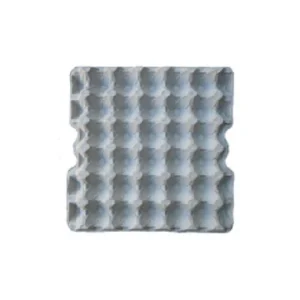
- 36-egg trays – uses a 6×6 grid configuration for maximum capacity
If you’re transporting large eggs, the 36-egg tray delivers a great result. It outperforms standard 12–24 egg trays in capacity and efficiency.
You’re joining a community of farmers and households who trust foam trays for reliable egg storage and transport. These trays are designed to accommodate eggs ranging from 38 to 55mm in diameter, making them compatible with most standard large egg sizes. Suppliers like Cool Pack cc offer a wide range of styrofoam tray models in varying dimensions and pack quantities to meet both small and large-scale needs.
Standard Foam Tray Sizes and What They Actually Hold
Standard foam trays come in several sizes, and each one’s built to hold a specific egg count. You’ll find options ranging from 6-egg to 18-egg trays, each designed with cell dimensions that match standard egg sizes.
Standard foam trays range from 6-egg to 18-egg sizes, each engineered with cell dimensions tailored to specific egg counts.
Here’s what each size actually holds:
- 6-egg trays measure 11.625 x 4.00 x 2.75 inches and fit small through extra-large eggs
- 12-egg trays measure 11 5/8″ x 4 1/8″ x 2 5/8″ and hold 12 units per carton
- 14-egg foam shippers measure 8.5″ x 11″ x 2.5″ with 1.5-inch egg holes
- 18-egg trays measure 11.875″ x 5.75″ with cells sized at 1.75″ wide x 2.625″ high
- All sizes accommodate eggs balancing at 43–63 grams
Choosing the right tray size means your eggs stay protected every time. Some foam egg shippers are specifically designed to fit inside a USPS medium flat rate box, making them a practical option for mailing eggs with predictable shipping costs. For bulk egg operations, suppliers like Cool Pack cc also offer egg trays in larger configurations, such as 18-tray units sold in counts of 160 and 30-tray units sold in counts of 150, catering to commercial packaging needs.
How Cell Configuration Changes Usable Egg Capacity
When you look at a foam egg tray, the grid layout directly controls how many eggs fit inside.
A standard 5×6 cell configuration holds 30 large eggs (50-57g) by spacing each cup precisely to prevent shifting during transit.
You’ll find that altering this grid, say, widening cells for jumbo eggs, reduces the usable slots and drops your capacity to as few as 24 eggs per tray. Cup diameters for medium to large eggs typically range from 5 to 6 cm, with customisable dimensions available for jumbo or specialty egg sizes.
For producers scaling up operations, sourcing the right plastic packaging solutions alongside foam trays ensures eggs remain protected through every stage of handling and distribution.
Grid Layout Impacts Capacity
The grid layout of a foam egg tray directly determines how many eggs it can hold. Standard grids come in 6, 10, 12, and 30-cell configurations. Each layout suits different selling needs and egg sizes.
Here’s what you need to know about common grid layouts:
- 6-cell trays fit small to extra-large eggs in split foam cartons
- 10-cell half trays hold 15 eggs with compact, space-saving designs
- 12-cell grids suit standard dozen packaging for retail use
- 30-cell grids arrange eggs in 10 rows of 3, measuring 11.50″ x 11.50″
- Custom grids adjust cup diameters between 5–6 cm for duck, quail, or jumbo eggs
The White Split 6-Egg Blank Styrofoam Carton is a bi-fold design that can separate into two 6-egg cartons or remain intact to hold a full dozen eggs. For bakery and confectionery businesses that also require rigid packaging, single wall cake boxes are available in sizes such as 12 x 12 x 5 inches for transporting baked goods alongside egg-based products.
Cell Spacing Determines Fit
Cell spacing directly controls how many eggs a foam tray can hold. You’ll notice that tighter spacing increases capacity, while wider spacing reduces it. Getting this balance right delivers a great result for egg safety and tray efficiency.
| Spacing Type | Effect on Capacity |
|---|---|
| Under 5mm | Risks egg cracking |
| 5–8mm (optimal) | Balances fit and protection |
| Over 8mm | Reduces egg count |
| 6-cell config | Suits compact spacing |
| 12-cell config | Requires moderate spacing |
You’re part of a community that values proper egg handling. Standard trays maintain a 5–8mm buffer zone between cells. This spacing prevents eggs from touching and cracking during transport. Choosing the right configuration means you’re protecting your product from the start. Suppliers offering high-quality packaging solutions understand that the right tray configuration is just as critical as the materials used to wrap and secure products during transit. EPE foam material provides cushioning and shock absorption that further shields eggs from damage beyond what spacing alone can offer.
Matching Tray Cell Size to Egg Grade and Species
Not all foam egg trays fit every egg type, so you need to match the cell size to the specific egg grade or species you’re handling.
Chicken egg trays feature cell diameters ranging from 44.6mm to 45mm, accommodating eggs weighing 42–63 grams, while quail egg trays use smaller 18–22mm cups designed for eggs averaging just 9–10 grams each.
Using a chicken egg tray for quail eggs creates oversized cavities that allow excessive shifting, increasing your breakage risk substantially.
For producers sourcing trays in bulk, suppliers like Cool Pack cc based in Paulpietersburg, Kwazulu Natal offer a range of agricultural packaging solutions that can complement your egg handling and storage setup.
Cell Size By Grade
Matching the right tray cell size to your egg grade is essential for safe, secure packaging. Cell diameter directly affects how snugly your eggs sit during transport and storage.
- AA grade eggs have an air cell ≤1/8 inch deep, requiring tighter cell fits
- A grade eggs have an air cell ≤3/16 inch deep, suiting standard large trays
- B grade eggs have air cells exceeding 3/16 inch, indicating older or looser whites
- No more than 1% of your batch should have air cells exceeding 3/8 inch
- Mixed-grade batches should use trays matching your lowest egg grade present
- For producers needing durable storage beyond trays, 5L HDPE bottles are a reliable option for liquid egg products requiring airtight containment.
Species-Specific Tray Compatibility
While chicken eggs are the most common fit for standard foam trays, other poultry species produce eggs that vary markedly in size and shape. You’ll find that duck, quail, and turkey eggs each require different cell dimensions for safe storage.
| Species | Avg. Egg Weight | Standard Tray Fit |
|---|---|---|
| Chicken | 48–70g | Yes |
| Duck | 70–90g | No |
| Quail | 10–15g | No |
Forcing oversized duck eggs into chicken-sized cells risks cracking the shells. Quail eggs sit loosely and shift dangerously during transport. You need species-matched trays to protect your eggs properly. Coolpack cc supplies foam trays sized for standard chicken eggs, accommodating grades from small through jumbo reliably. Based in Paulpietersburg, KwaZulu-Natal, Cool Pack cc has nearly three decades of experience supplying agricultural packaging solutions to South African farmers and industries.
Matching Cells To Eggs
Each egg grade carries a distinct weight range, and that weight range tells you which tray cell size you need. Large eggs weigh between 54.34 and 61.41 grams. Matching that weight to the correct cell keeps your eggs secure and undamaged.
Here’s how egg weight aligns with cell sizing:
- Small eggs (40.16–47.24g) fit snugly in narrow cells
- Medium eggs (47.25–54.33g) suit standard compact cells
- Large eggs (54.34–61.41g) fill mid-range cells correctly
- Extra Large eggs (61.42–68.50g) require wider, deeper cells
- Jumbo eggs (over 68.51g) need the largest available cells
You’ll get a great result when cell size matches egg grade precisely. A mismatched tray risks cracking, shifting, and product loss during transport. For operations handling bulk quantities, securing trays with industrial wire ties during stacking and transport adds an extra layer of protection against shifting loads.
Features That Make a Foam Tray Safe for Large Egg Shipping
Foam trays keep large eggs safe during shipping through several key design features. You’ll find that each element works together to protect your eggs from source to destination.
| Feature | Benefit |
|---|---|
| Sturdy styrofoam construction | Robust protection during transit |
| Heavy side-wall design | Enhanced structural integrity |
| Stackable posts | Supports double stacking |
| Humidity resistance | Prevents sweating and breakage |
| Blank customisable sides | Easy shipping label application |
You’re part of a community that values reliability. These trays accommodate 43-63 gram eggs without deformation, handling transportation stresses effectively. The humidity-resistant material keeps eggs dry, preventing label bleeding and stamp smearing. Stackable posts allow secure double stacking, maximising your shipping space. Coolpack cc supplies these dependable foam trays directly from Paulpietersburg, South Africa, providing great results for your packaging needs. With nearly three decades of experience serving agricultural clients across KwaZulu-Natal and Mpumalanga, Cool Pack cc brings deep industry knowledge to every packaging solution they provide.
Shipping Large Eggs in Foam Trays Without Breakage
Comprehending a foam tray’s protective features sets you up to ship large eggs with confidence. Expanded polystyrene (EPS) absorbs shock and resists humidity during transit.
Understanding a foam tray’s protective features gives you the confidence to ship large eggs safely every time.
These qualities make foam trays a great result for protecting your eggs.
Follow these practical steps for breakage-free shipping:
- Place filled 25-hole foam trays inside USPS large flat rate boxes
- Stack trays securely to prevent shifting during transport
- Use foam’s 95% air composition for natural temperature stability
- Rely on EPS’s shock absorption to protect eggs massing 43–63 grams
- Seal shipping boxes tightly to maintain structural integrity throughout delivery
You’re part of a community that values quality packaging. Coolpack cc, based in Paulpietersburg, South Africa, supplies reliable foam egg trays designed to keep your large eggs safe from origin to destination.
Where to Buy Foam Egg Trays in Bulk
Buying foam egg trays in bulk gives you better pricing and a reliable supply for your packaging needs. Coolpack cc in Paulpietersburg, South Africa, stocks quality foam egg trays for bulk orders.
| Supplier | Location | Minimum Order |
|---|---|---|
| Coolpack cc | South Africa | Bulk quantities |
| Eggcartons.com | United States | 10,000+ units |
| Foam Packaging, Inc. | Vicksburg, MS | Wholesale |
You’ll find custom printing available for orders of 10,000 or more units. Large orders also qualify for significant price breaks. Eggcartons.com offers white and aqua foam cartons at wholesale prices. Blue 12-egg cartons range from $59.95 to $329.95. Contact Coolpack cc directly to join a community of buyers who value consistent, reliable packaging supplies.